10 days 9 nights
Specific Tour
6 people
___

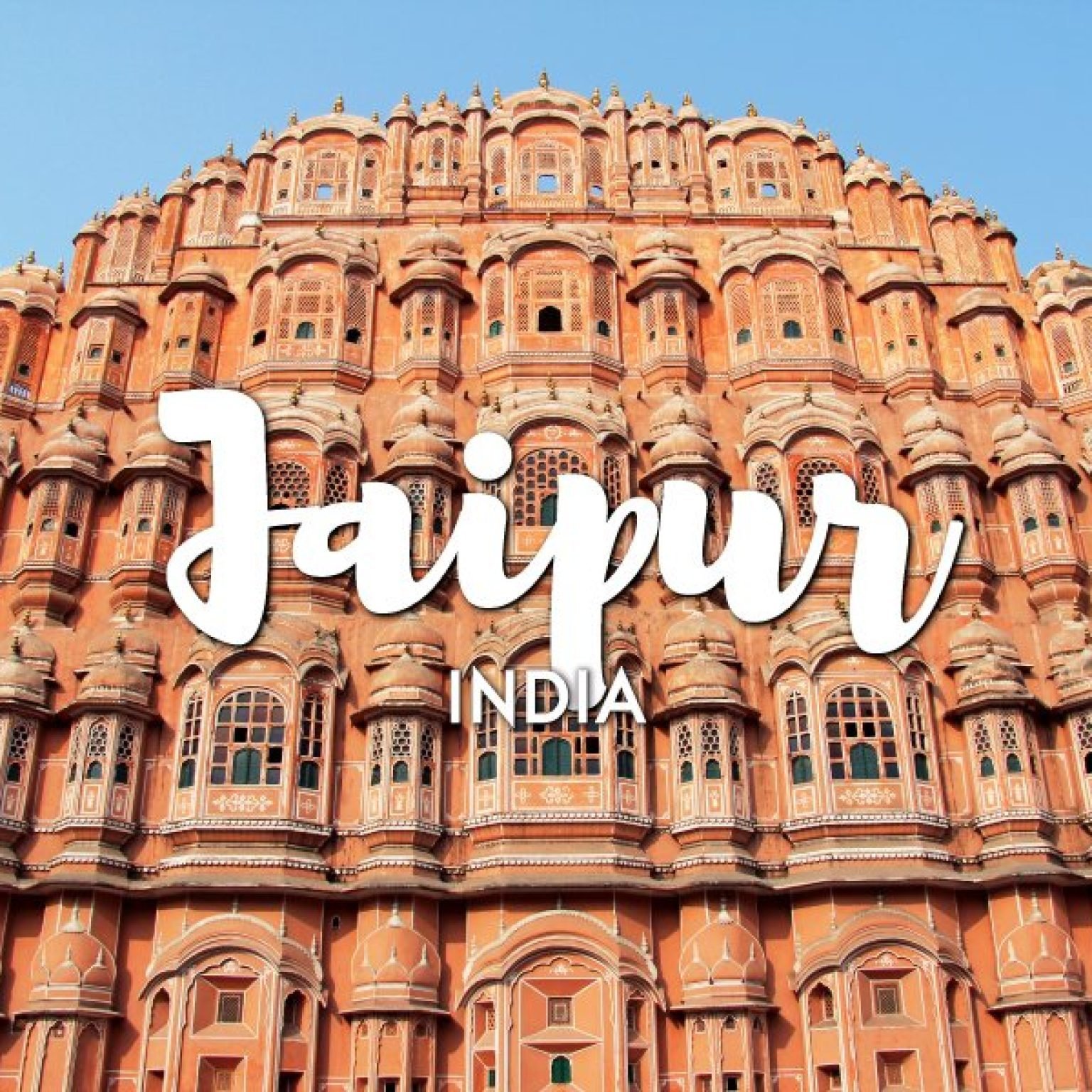

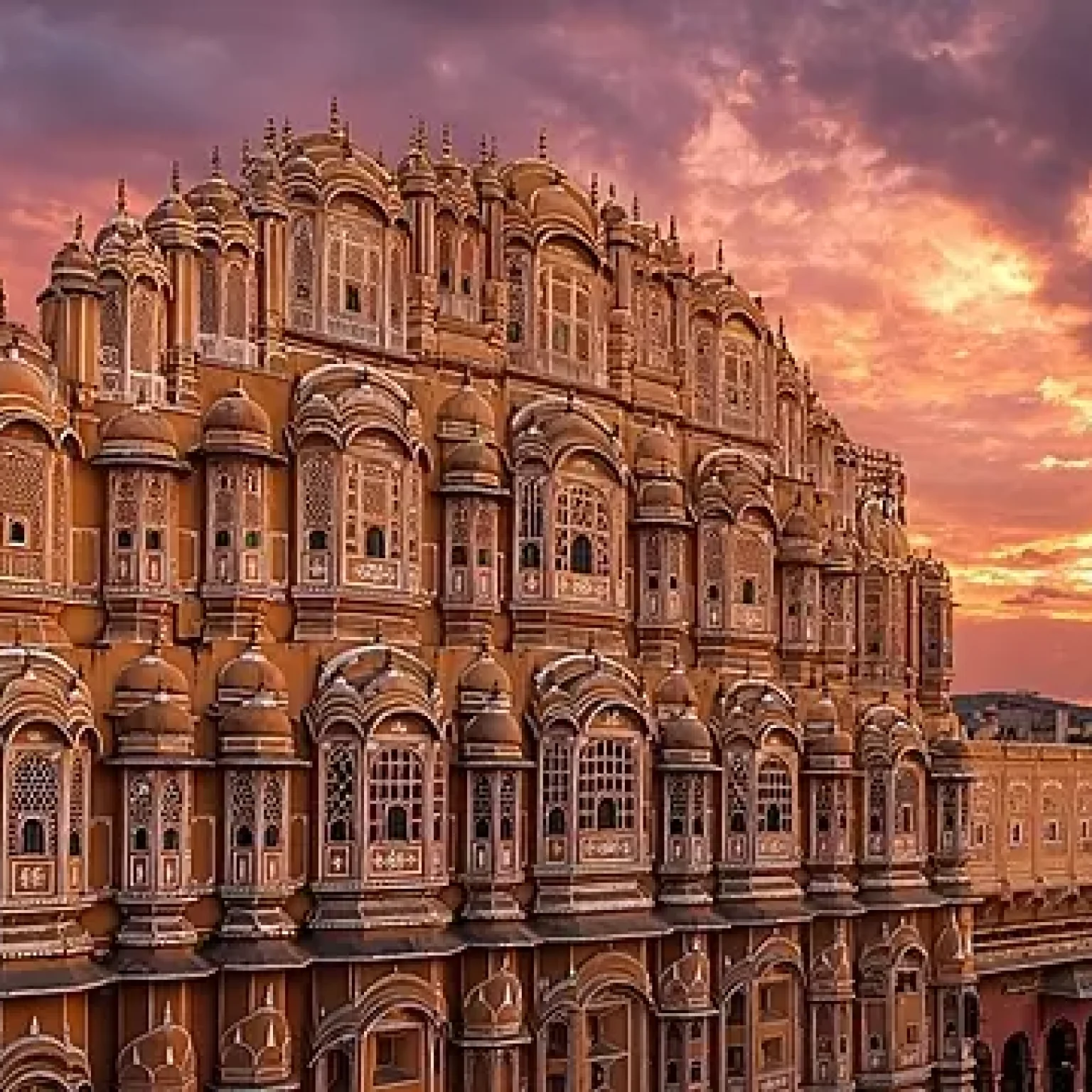
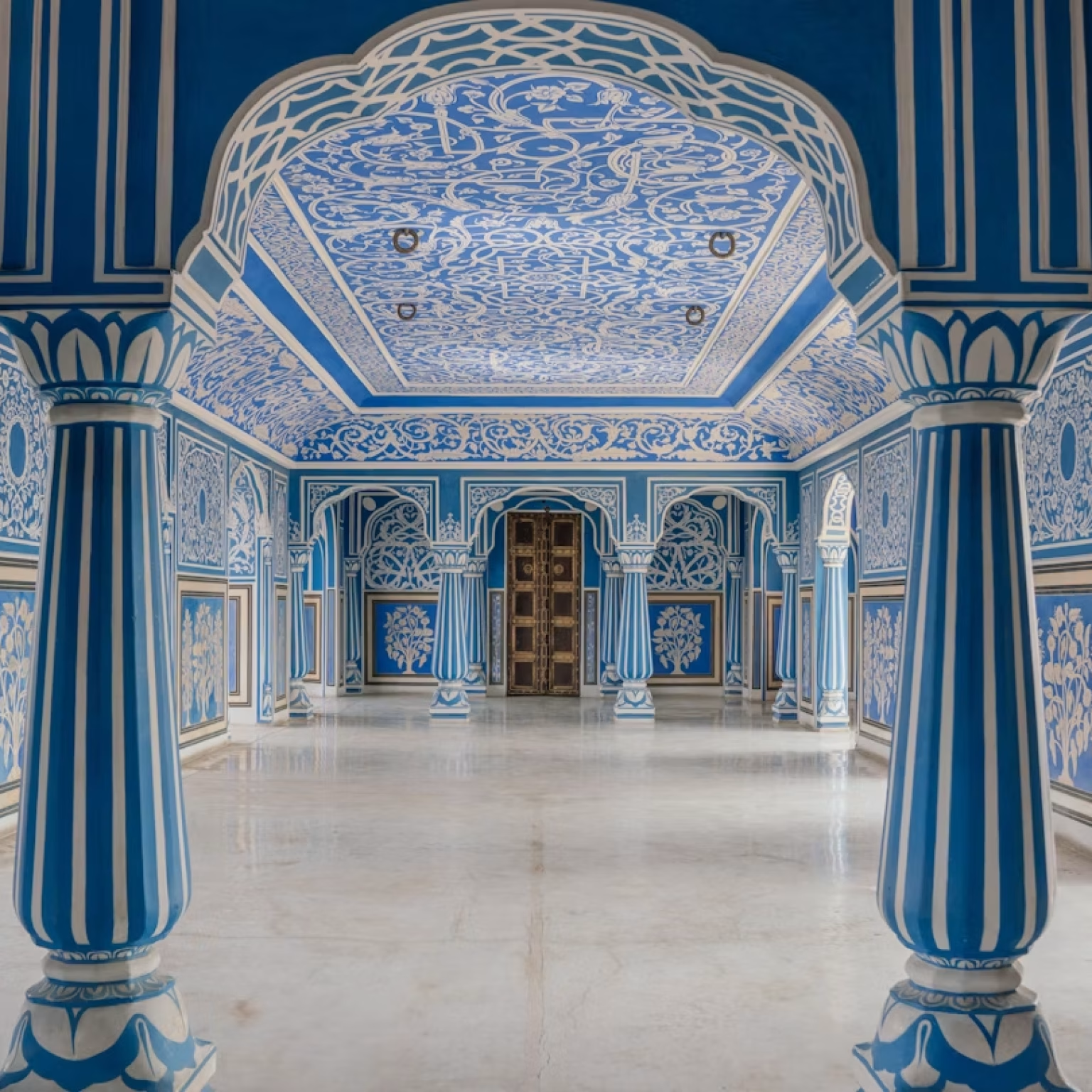
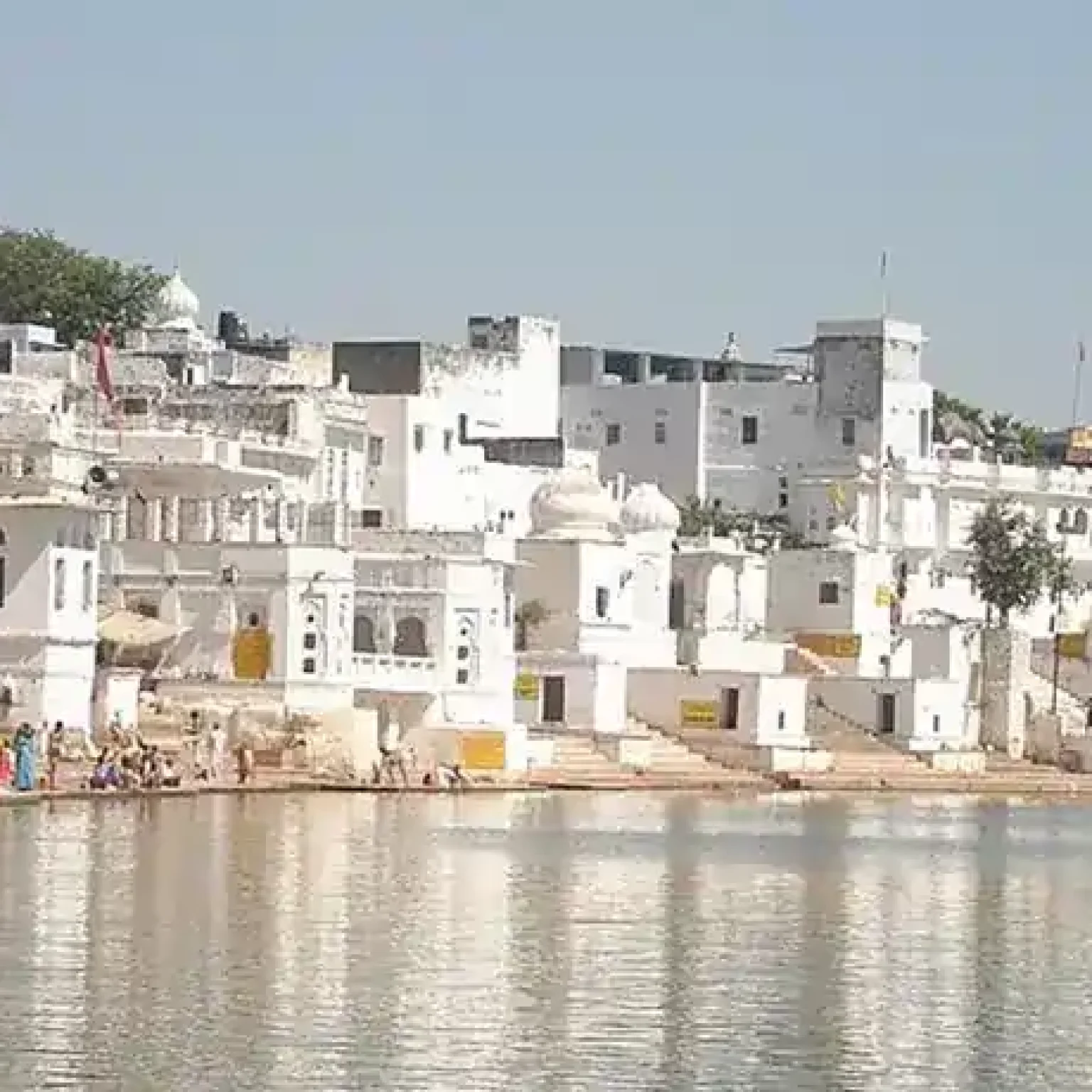
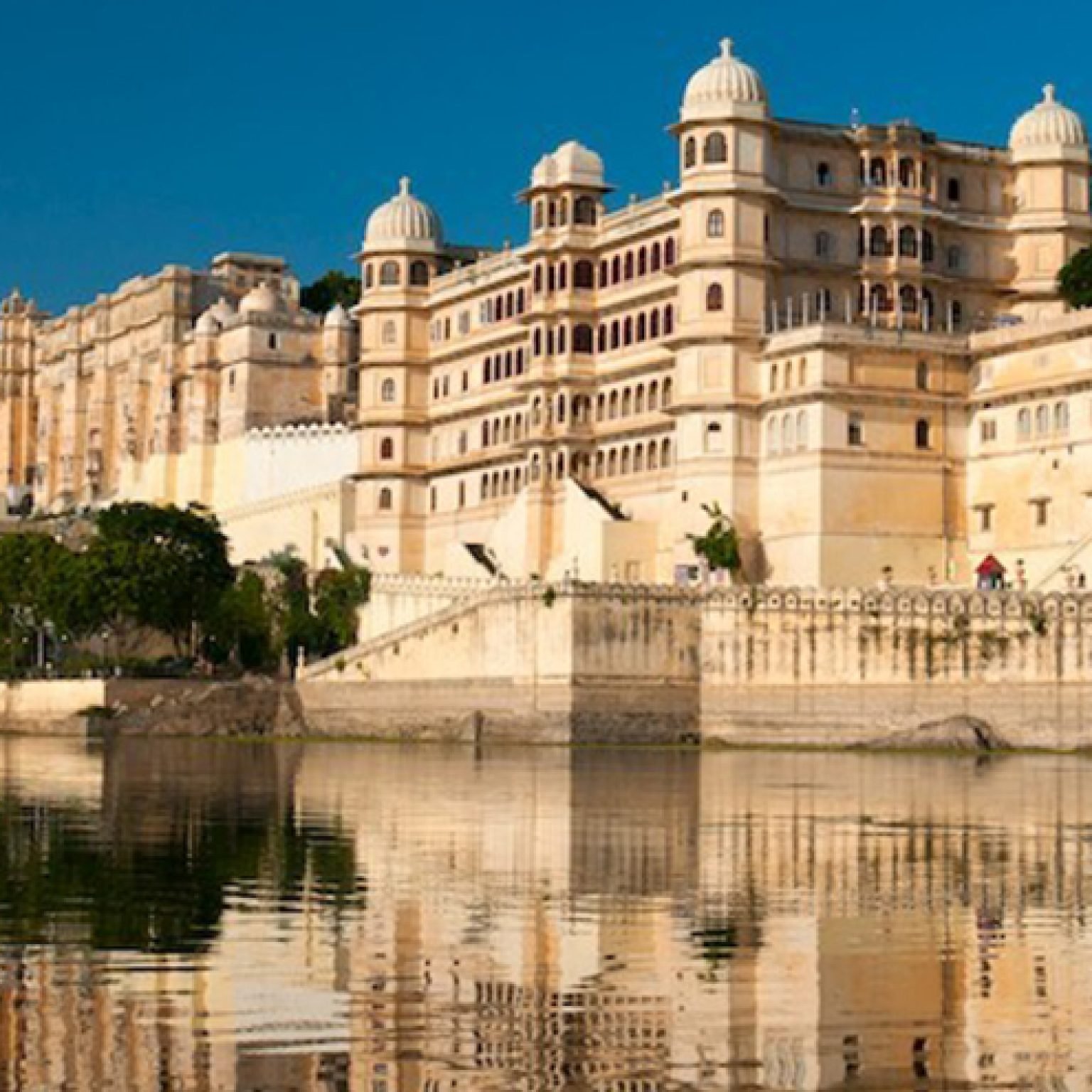
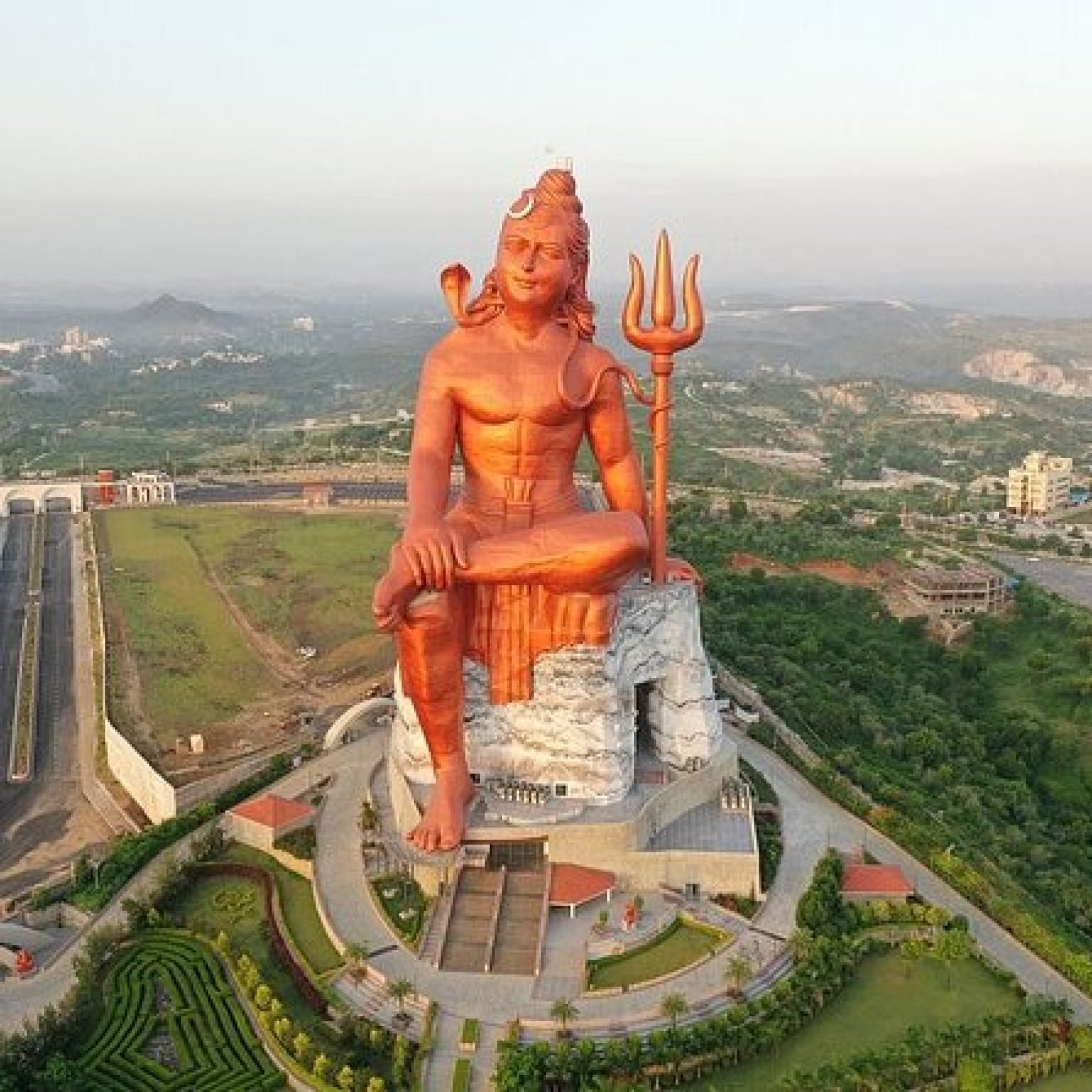
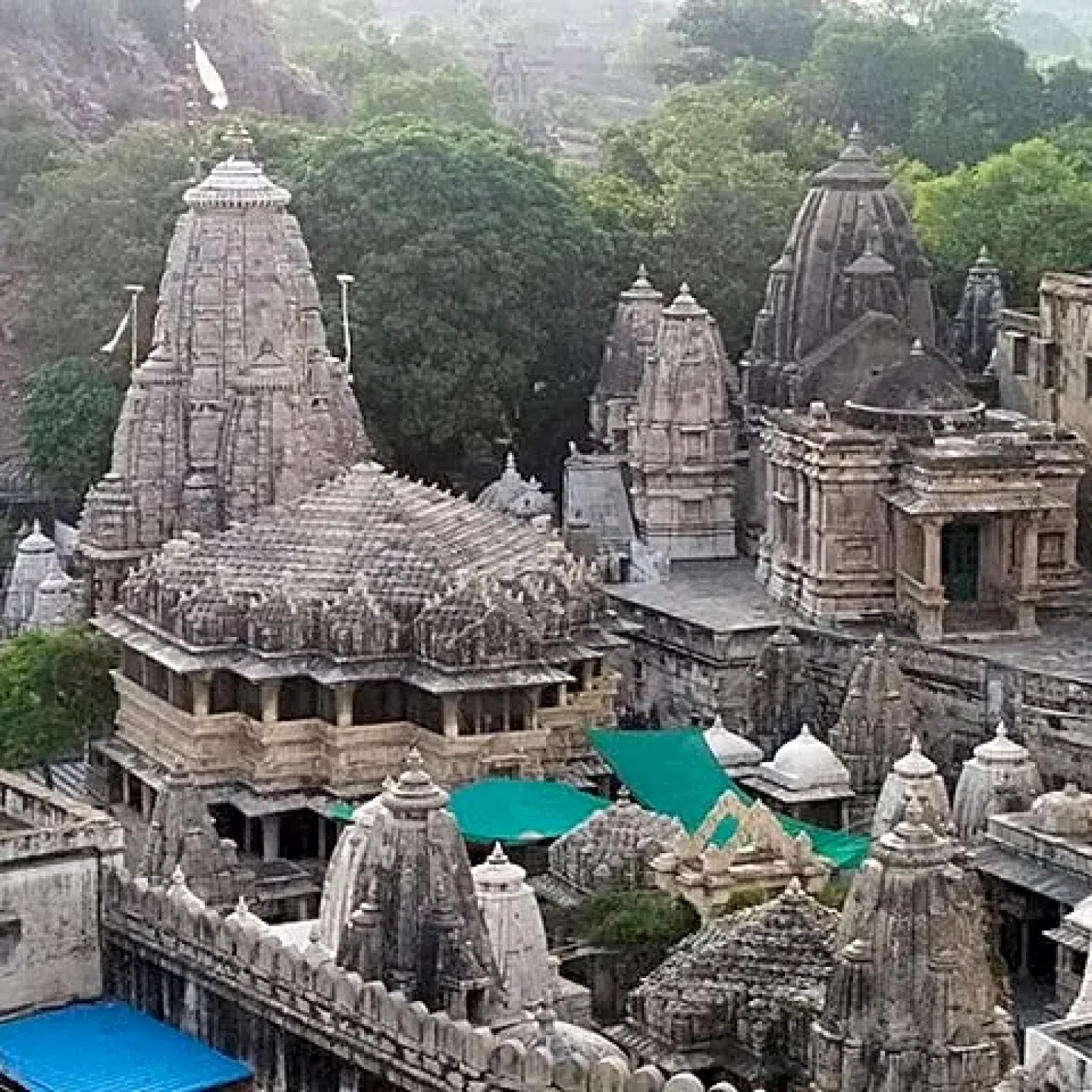
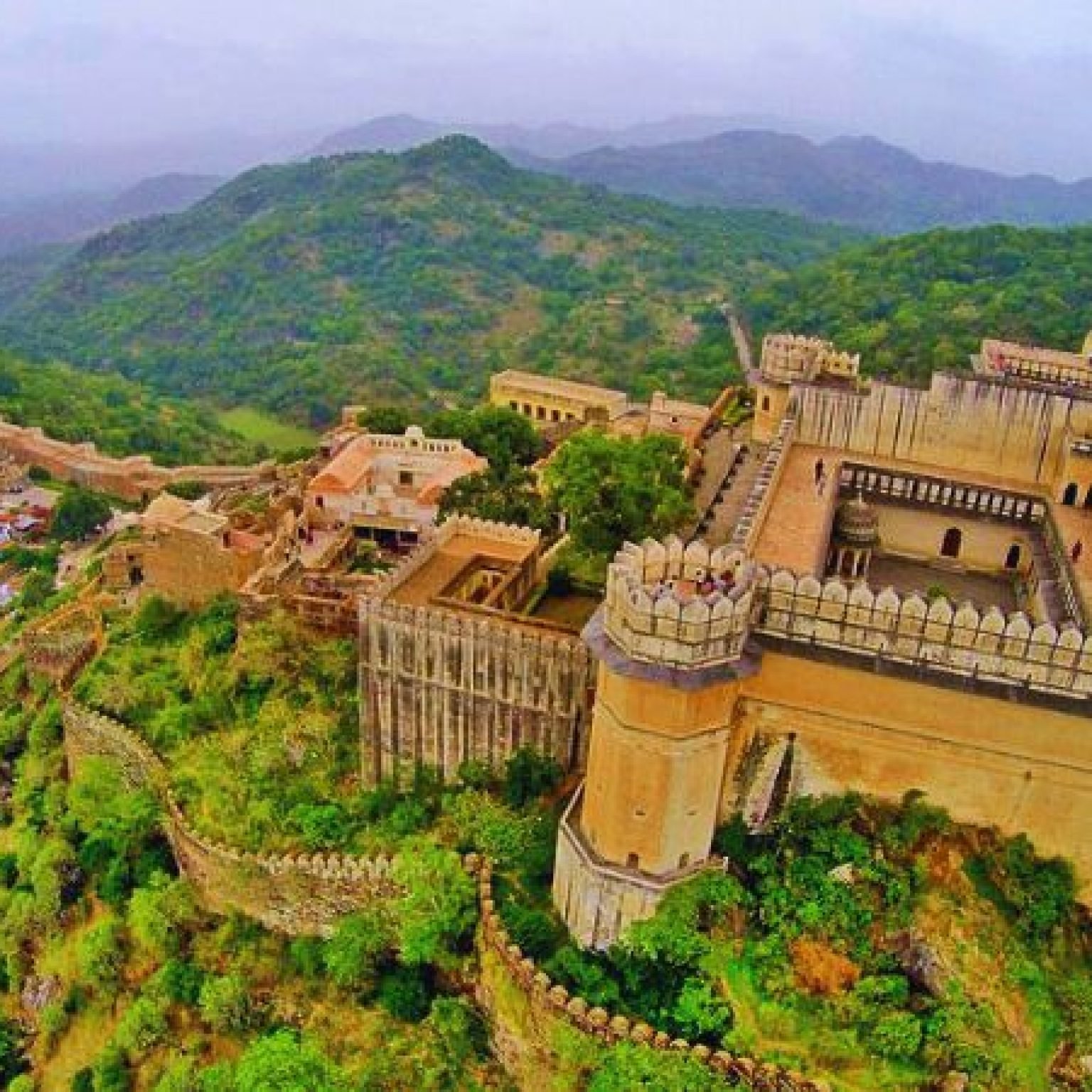
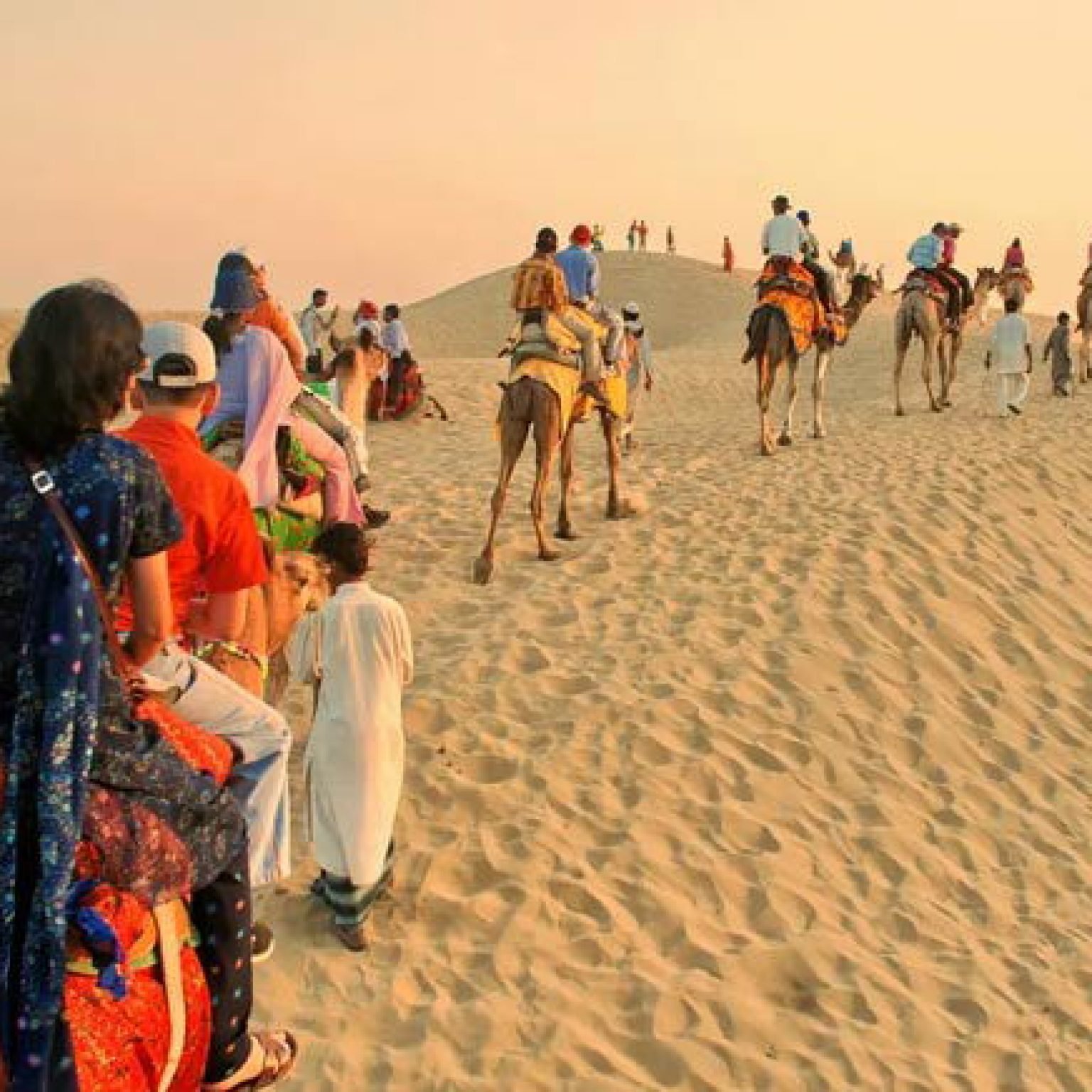
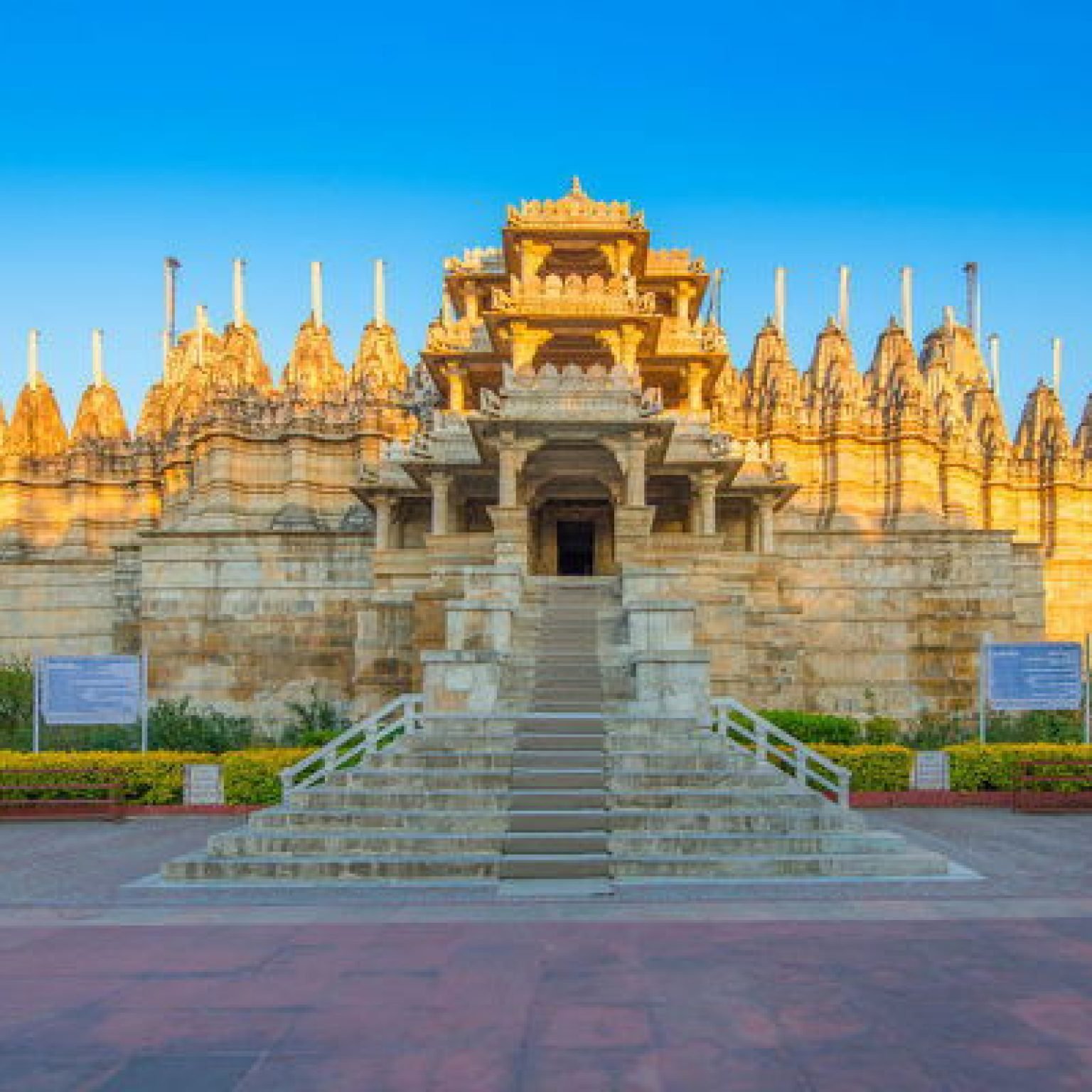
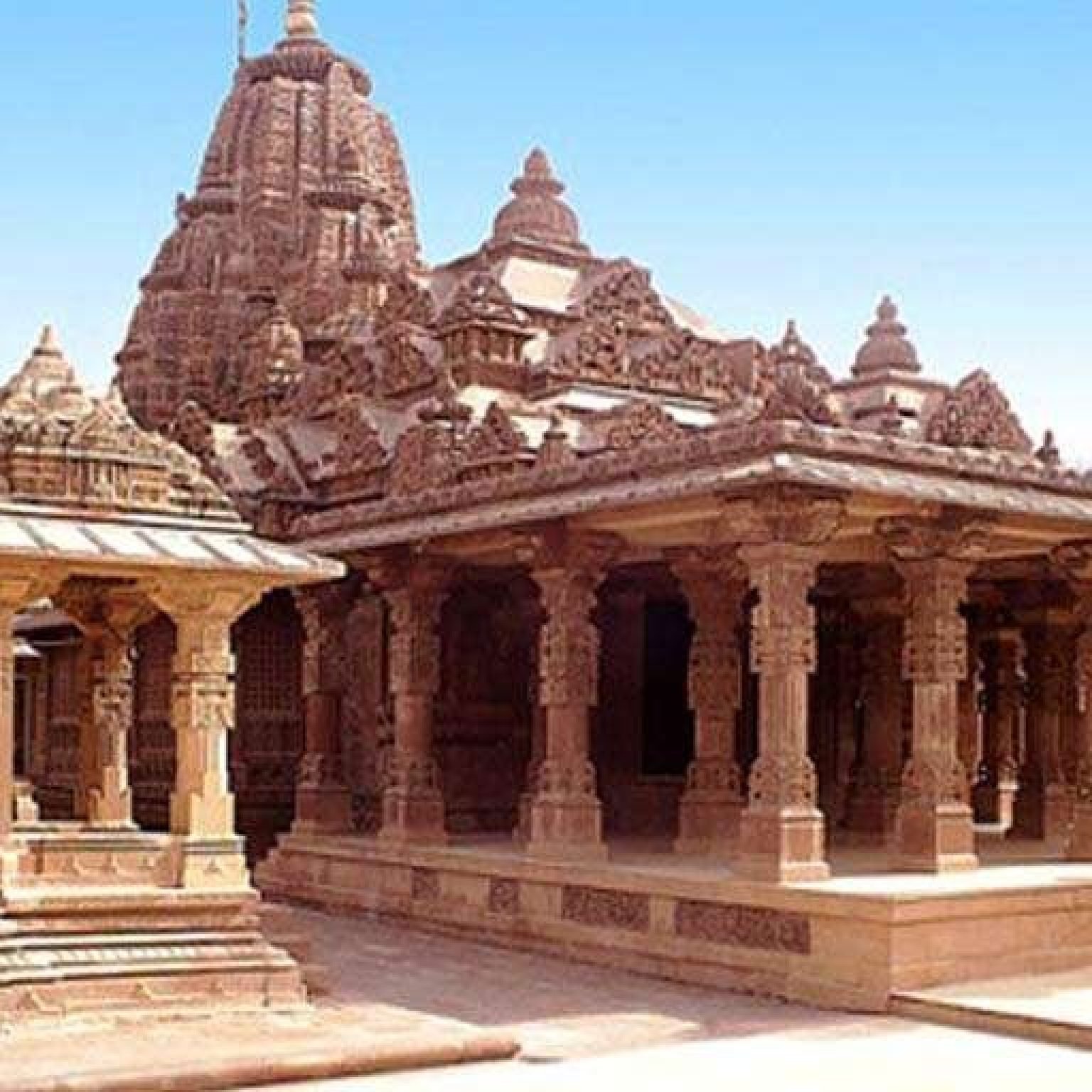
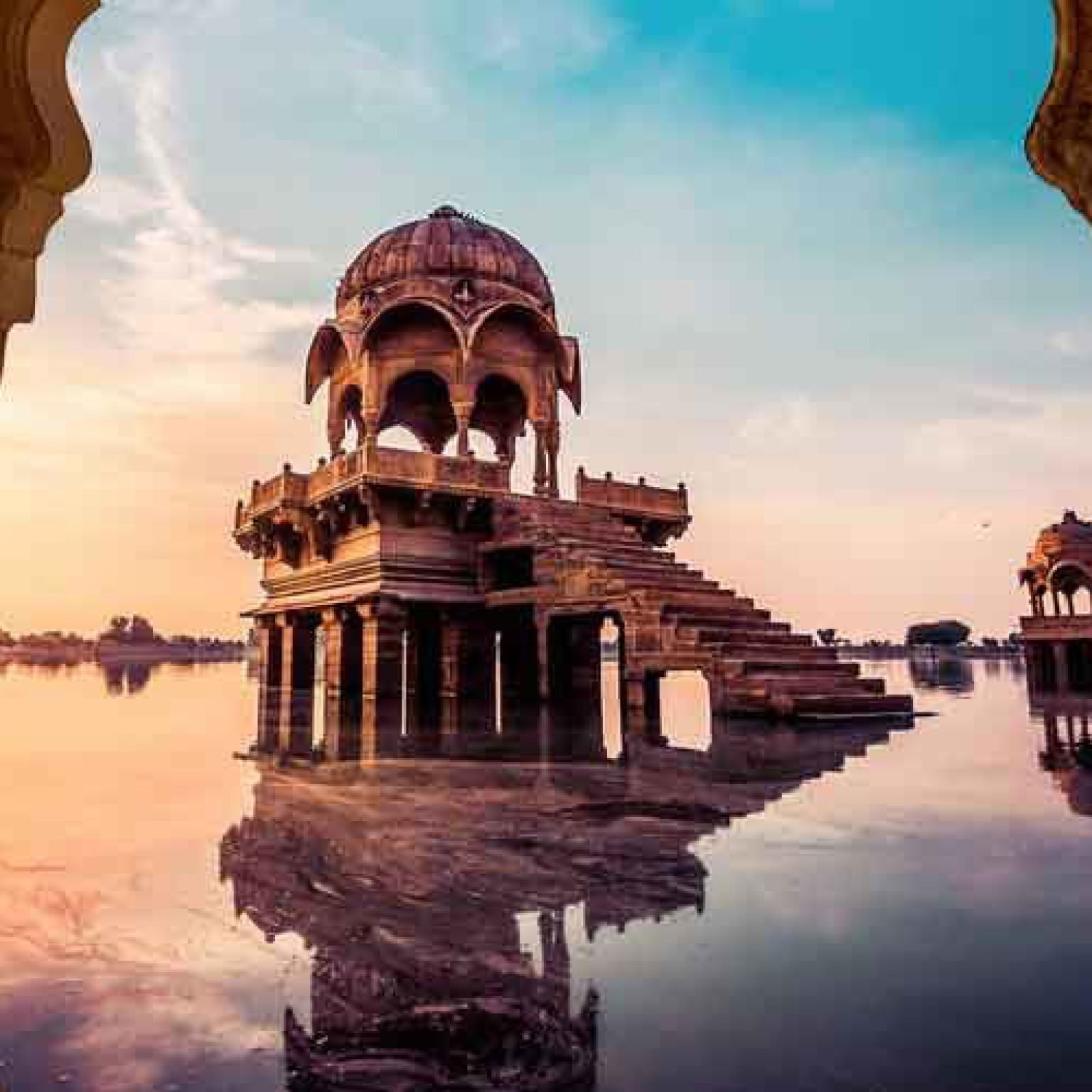
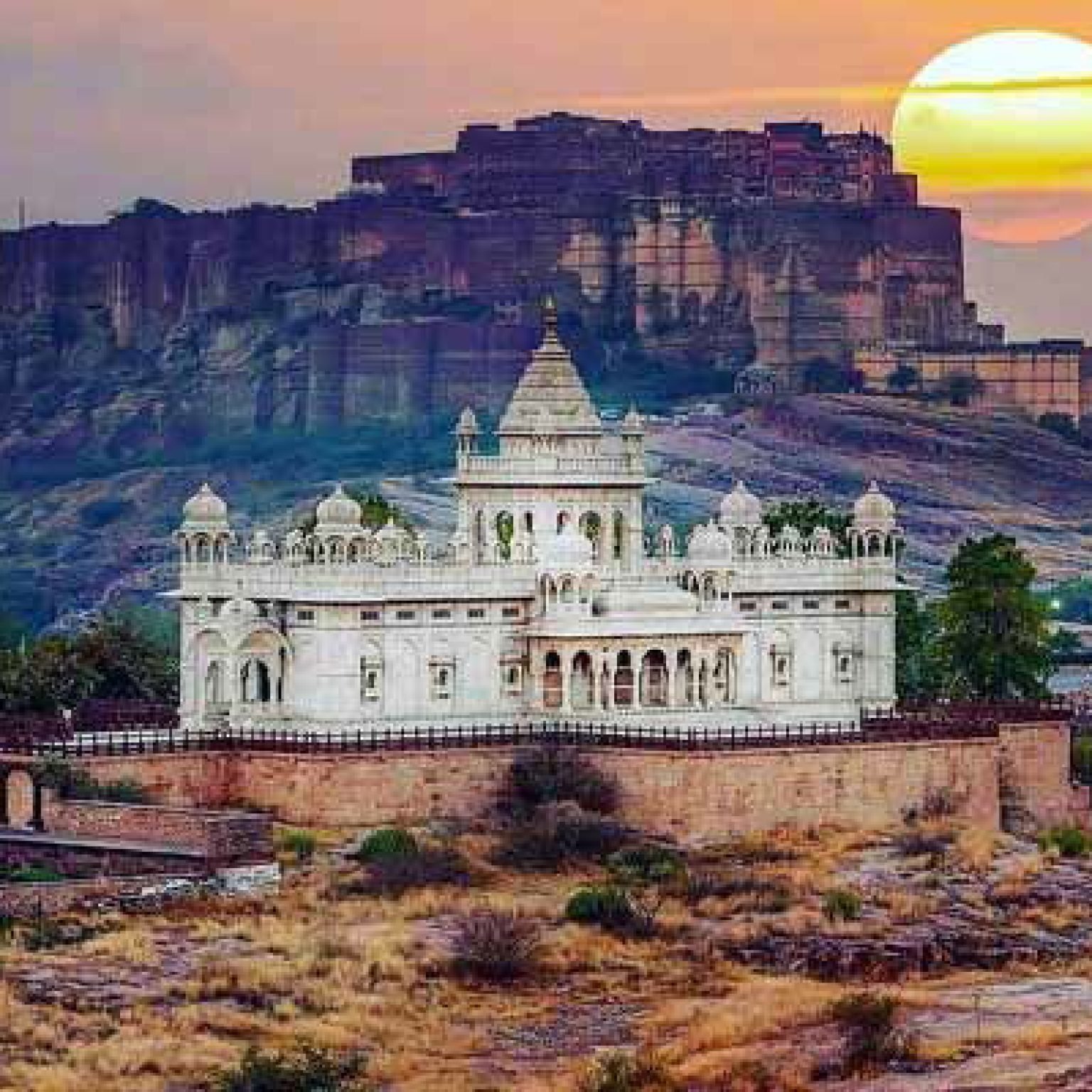
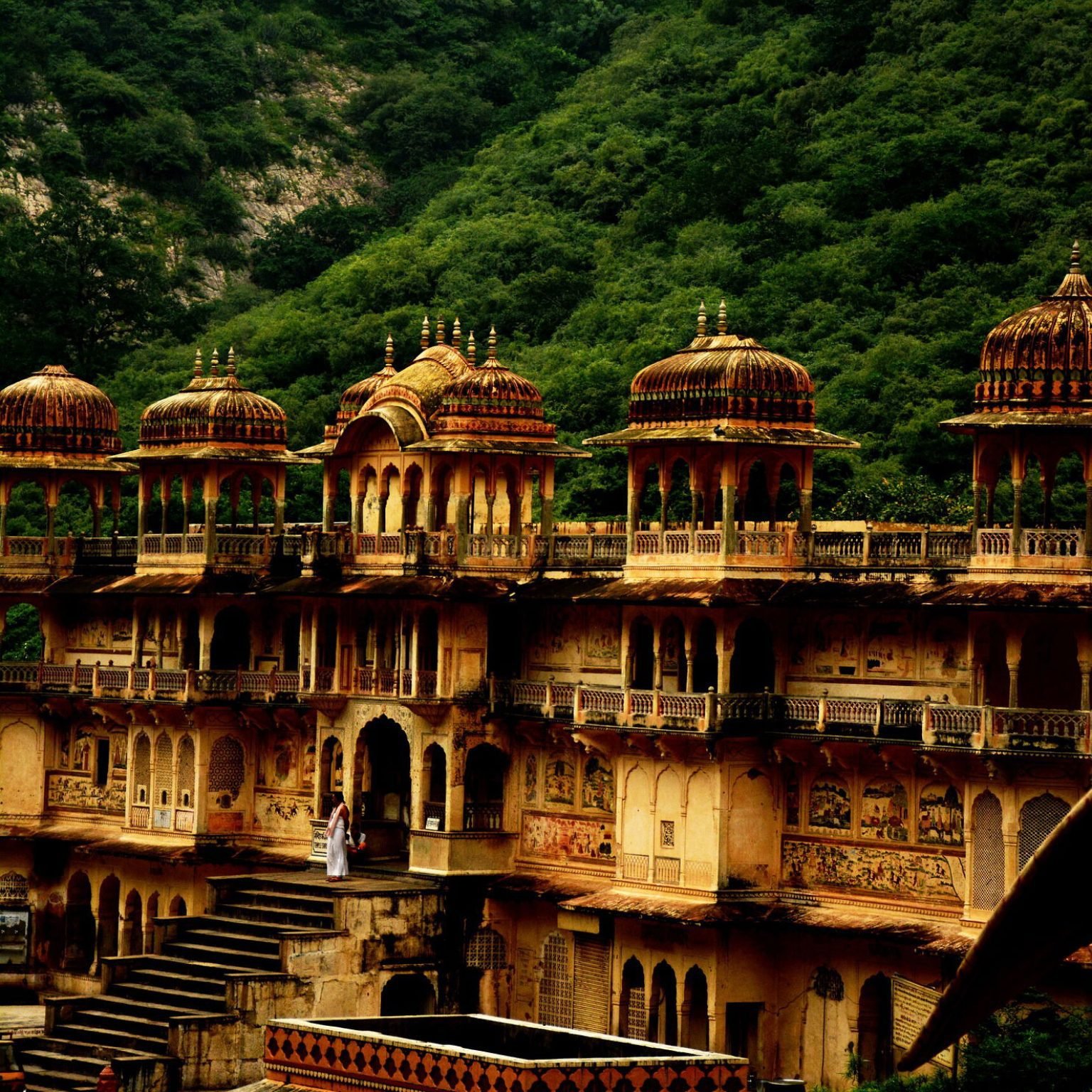
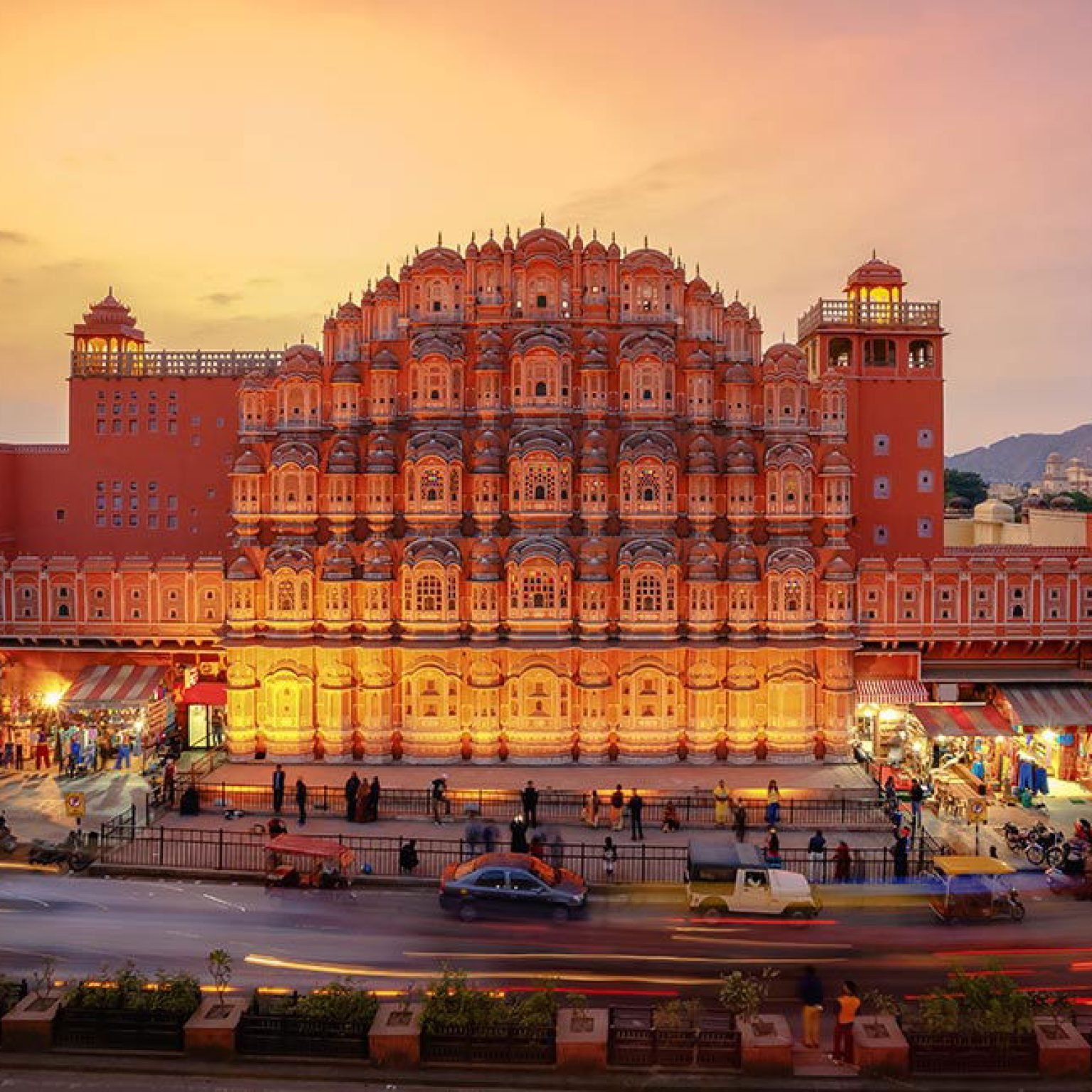
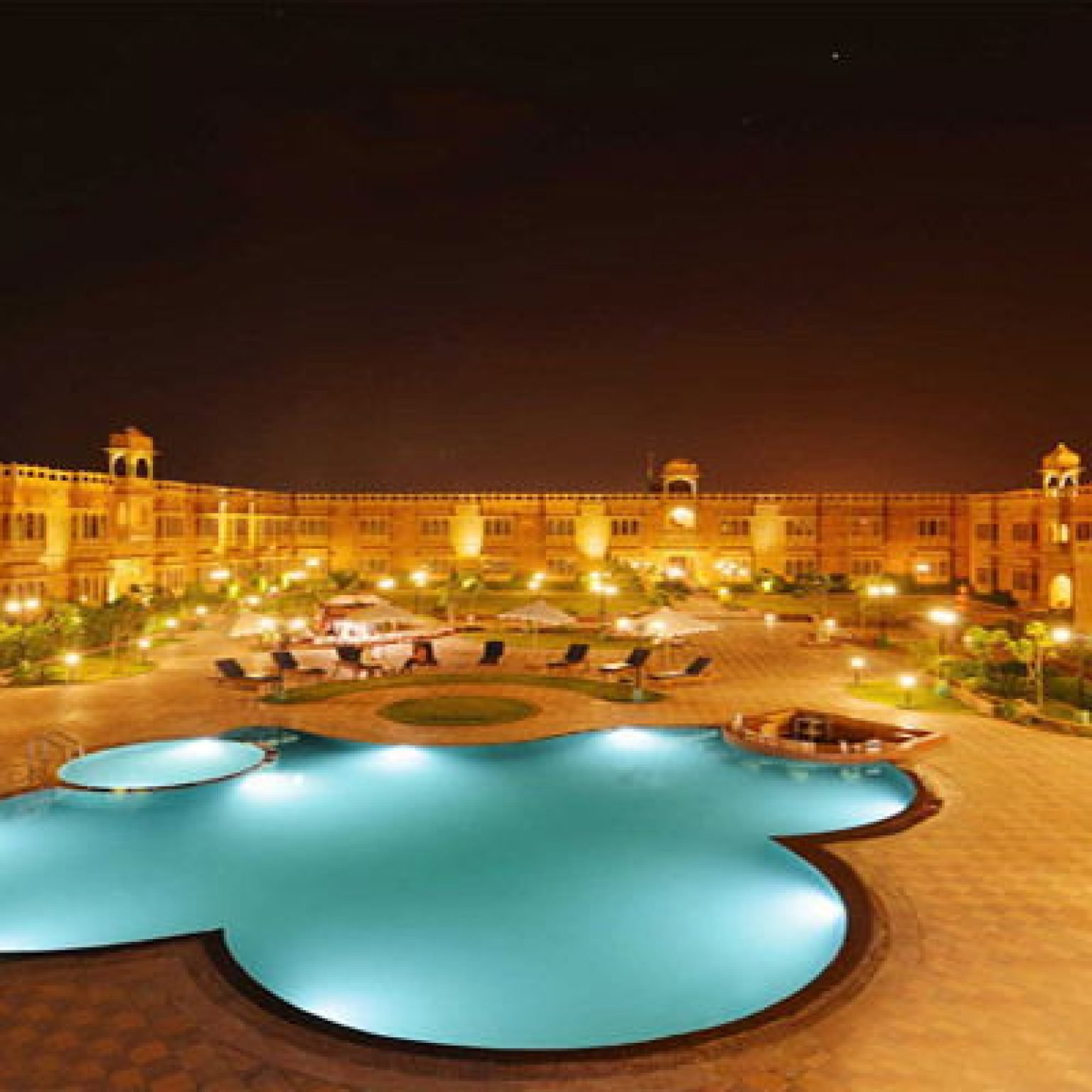
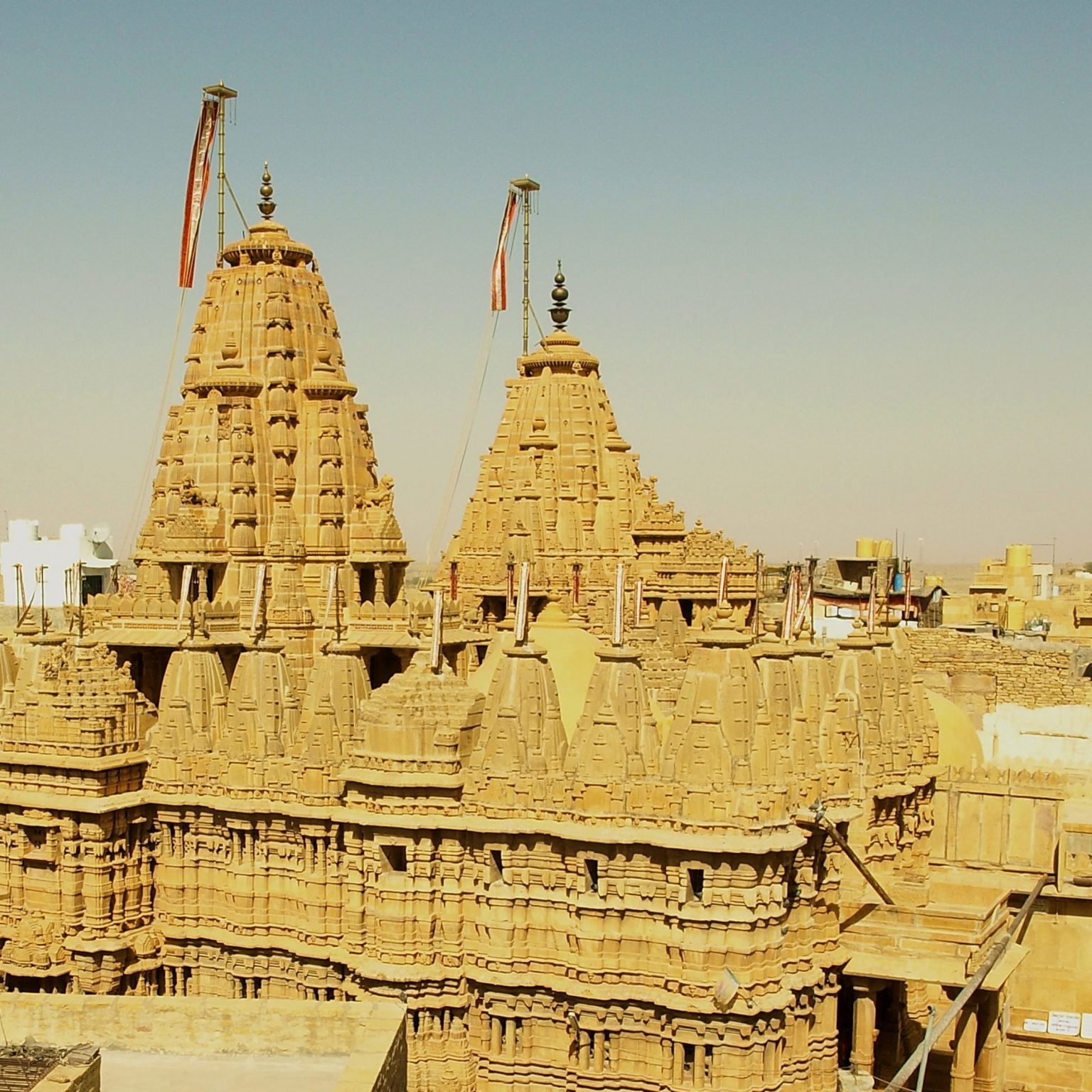

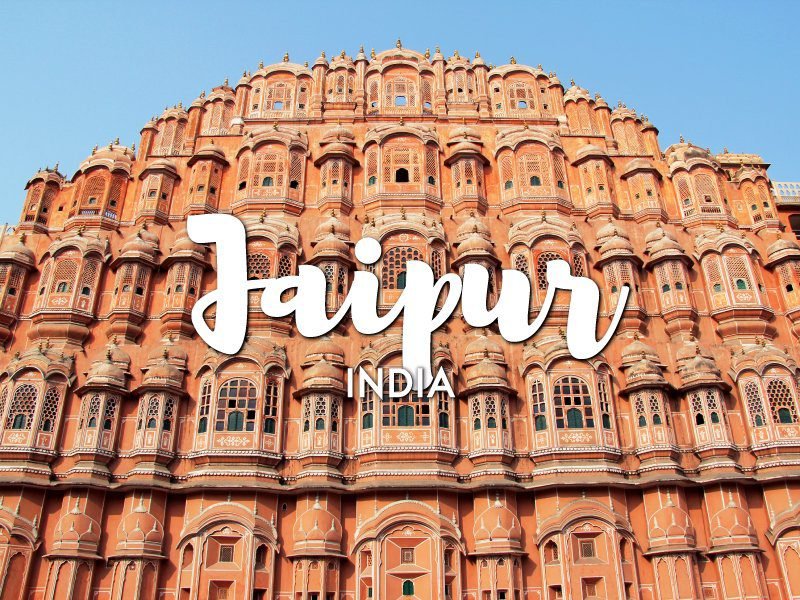
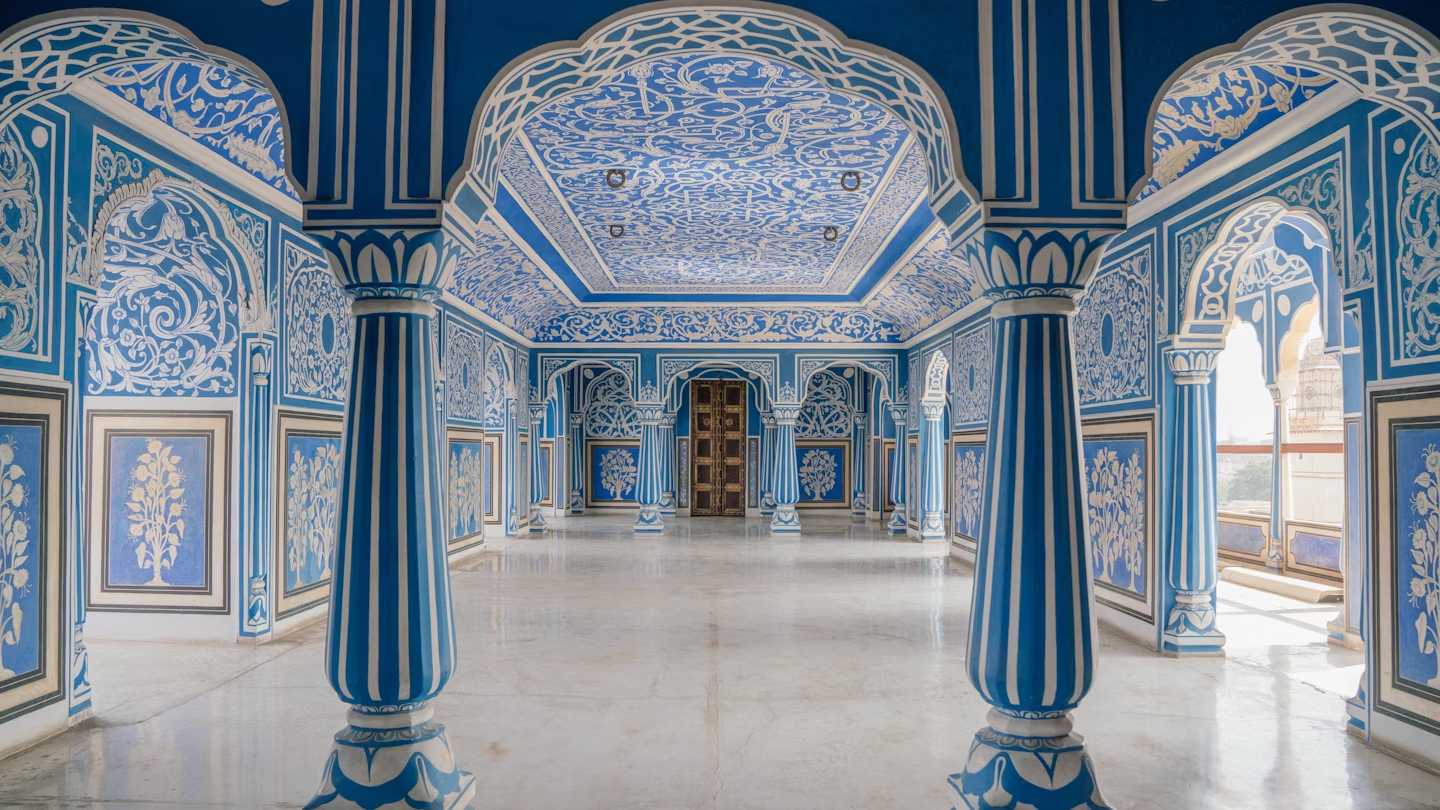
Overview: Jaipur is the capital of India’s state of Rajasthan. It evokes the royal family that once ruled the region and that, in 1727, founded what is now called the Old City, or “Pink City” for its trademark building color. The opulent, colonnaded City Palace complex stands at the center of its stately street grid (notable in India). Part of it is still a royal residence with gardens, courtyards, and museums.
Includes: Hotel Accommodation as/if mentioned above
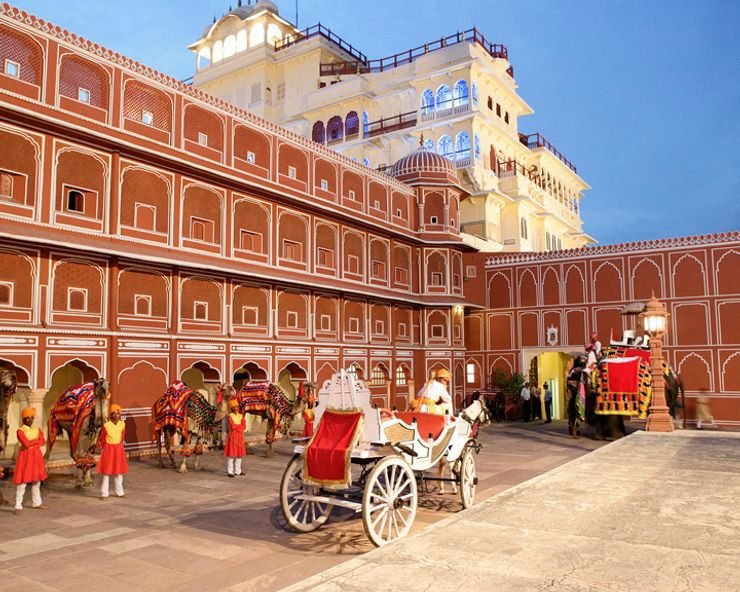
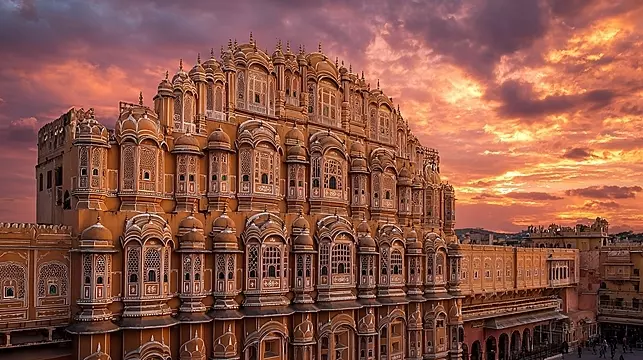
Today we visit City Palace & Museum, Jantar Mantar (Observatory), and take a photo stop at Hawa Mahal. Overnight stay at Jaipur.
Includes: Private Vehicle Transfers
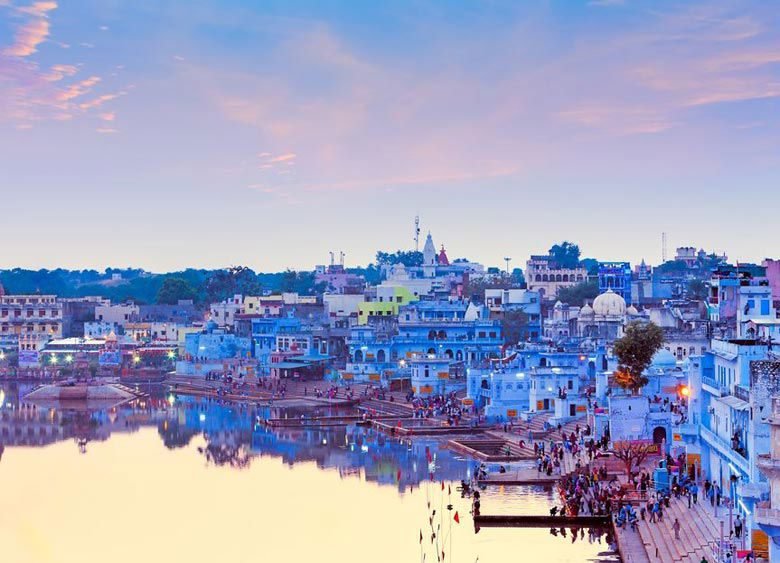
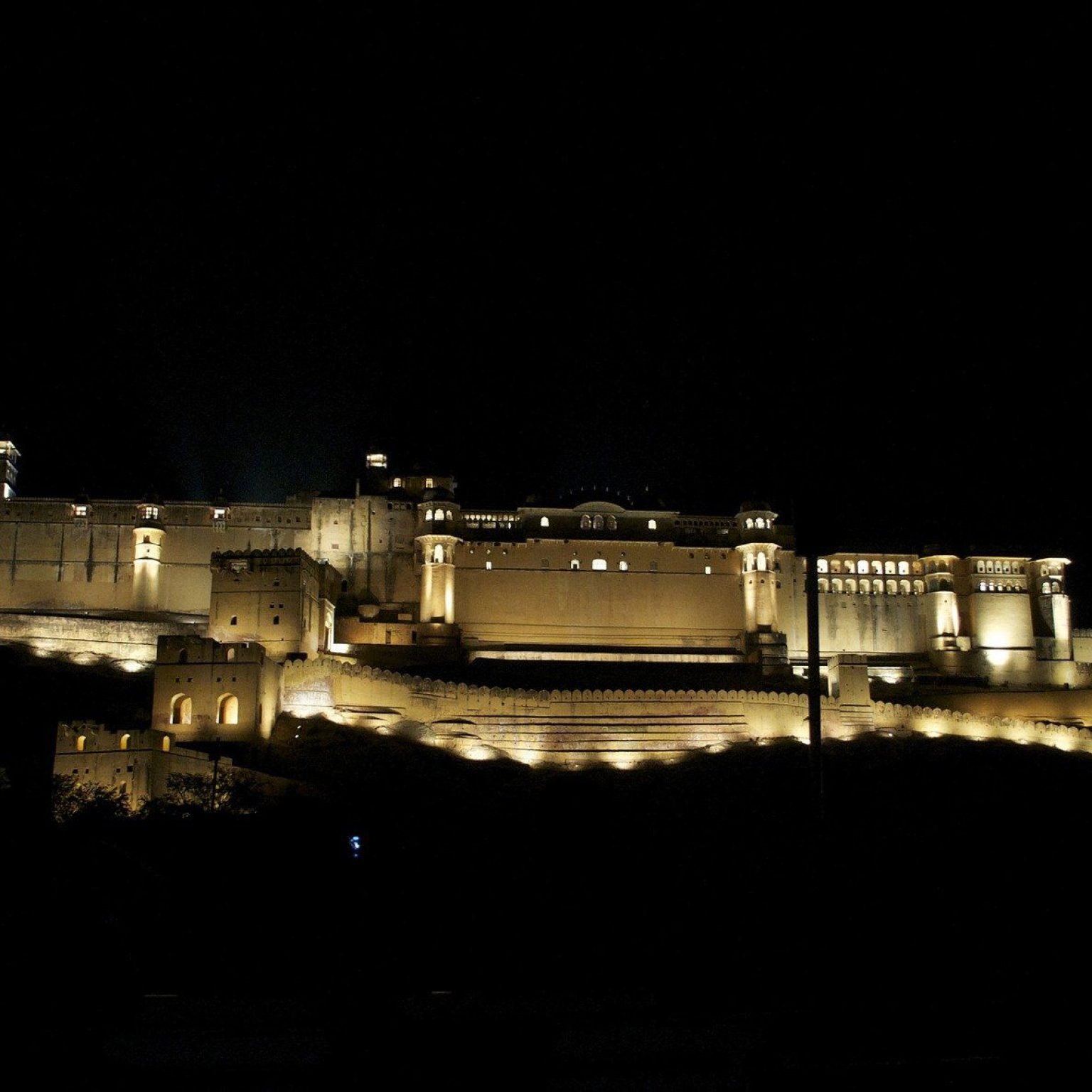
After breakfast, we checkout from hotel and proceed for local sightseeing. First visit to Amber Fort (11 kms from the city) built by Raja Mansingh-I in 1592. It is located high on a hill overlooking Maota Lake on the forefront and can be reached by Jeep or on the elephant back.(At Own Cost , Big Vehicle We Halt At Parking only) After this visit to Jaigarh Fort (15 kms from the city). It is located 400 m higher than Amber fort and was built by Swai Jai Singh-III. One of the important feature of the fort is Cannon named “jaivana” which was then worlds largest cannon on the wheel. After this Drive past to Hawa Mahal - the palace of wind & visit to City Palace which is located in the heart of the city. It was constructed by Maharaja Sawai Mansingh-II. The most famous structure of the city palace are the Chandra Mahal, the Mubarak Mahal, Maharani’s Palace, Shri Govind Dev Temple and City Palace Museum. Nearby walk to Jantar Mantar an astronomical observatory. Overnight stay at Hotel in Jaipur.
Includes: Private Vehicle Transfers
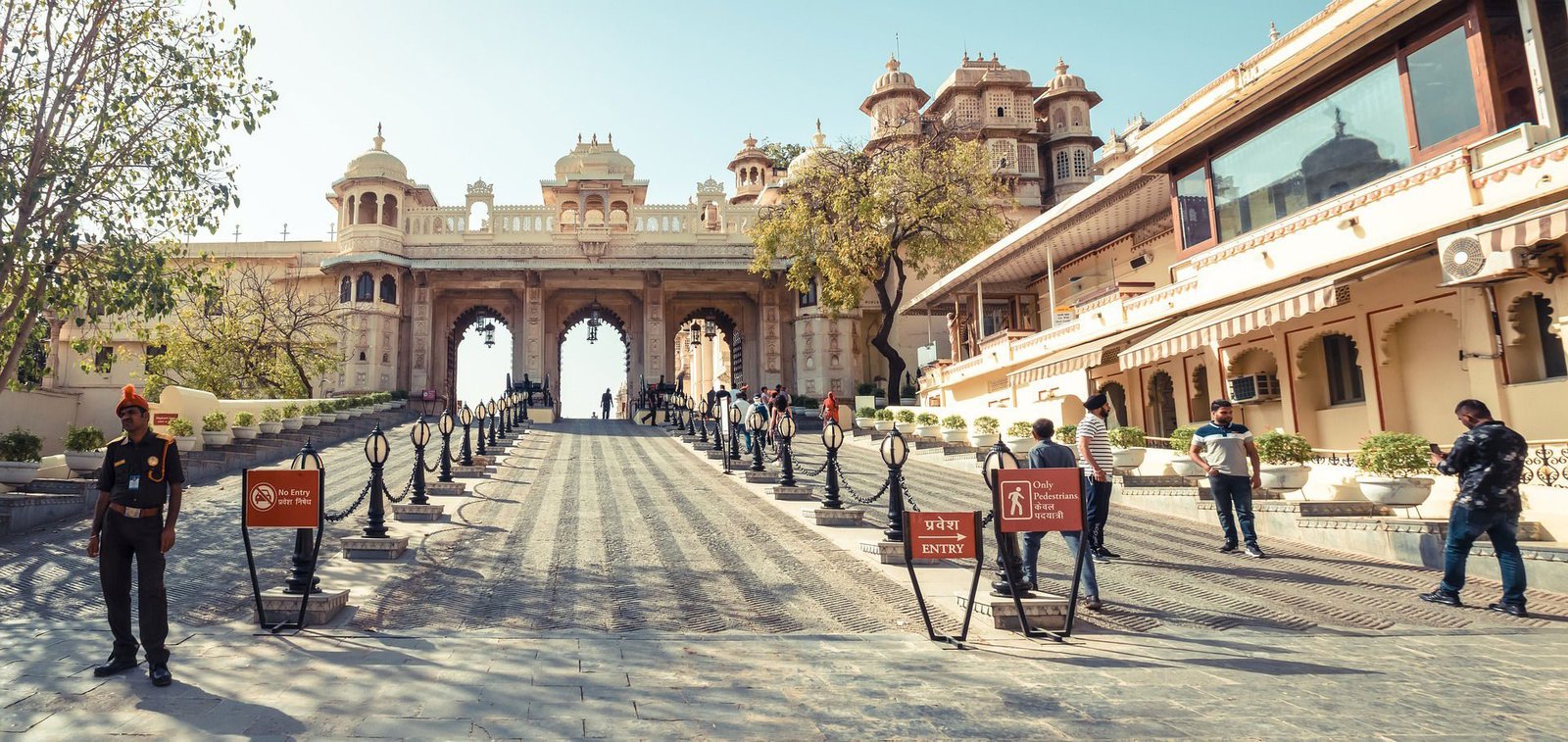
The City Palace, Jaipur built by Maharaja Sawai Man Singh 2nd. There are huge entrance gates, beautiful doorways, murals, and enticing palaces of Jaipur. It is a unique and special complex of several courtyards, buildings, pavilions, gardens, and temples. The palace complex has several buildings, various courtyards, galleries, restaurants, and offices of the Museum Trust.
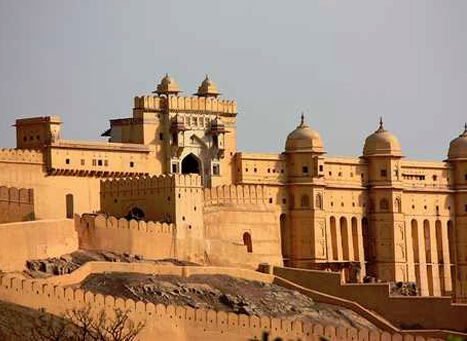
Amber Palace is situated on a forested hill promontory that juts into Maota Lake near the town of Amber, about 11 kilometers from Jaipur city. is known for its artistic style elements. At the entrance to the palace near the fort's Ganesh Gate, there is a temple dedicated to Shila Devi, a goddess of the Chaitanya cult, which was given to Raja Man Singh when he defeated the Raja of Jessore, Bengal (present-day Bangladesh) in 1604.

The Jantar Mantar, Jaipur is a collection of 19 astronomical instruments built by the Rajput king Sawai Jai Singh. The monument was completed in 1734. It features the world's largest stone sundial and is a UNESCO World Heritage site. It is near City Palace and Hawa Mahal.
Check out from your hotel & drive to your next destination.
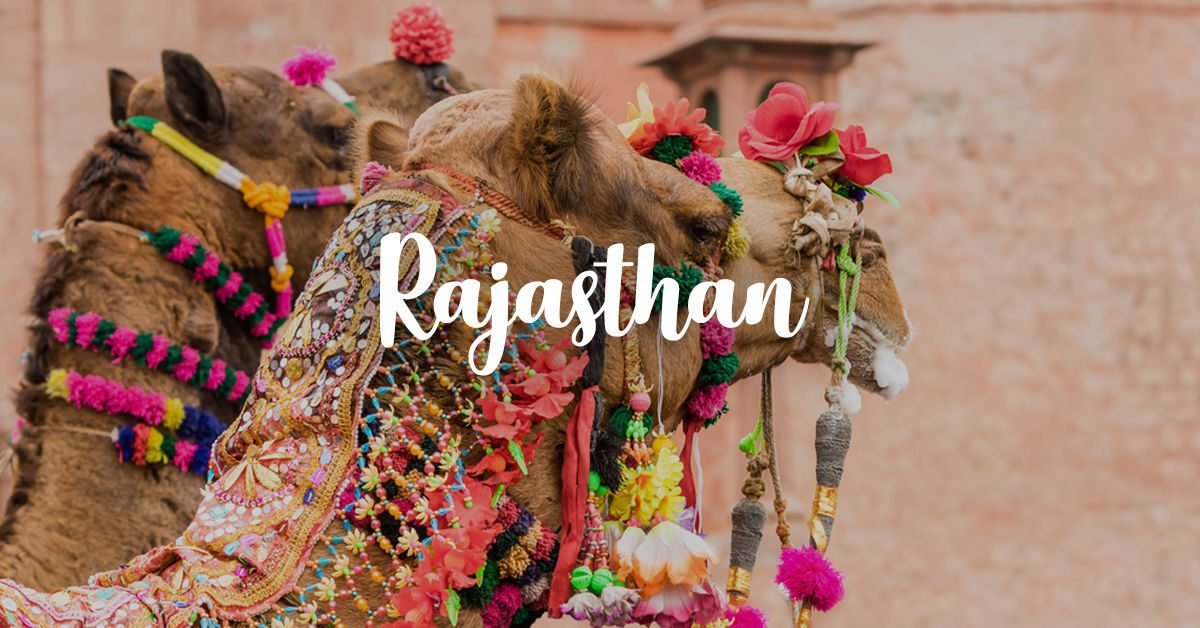
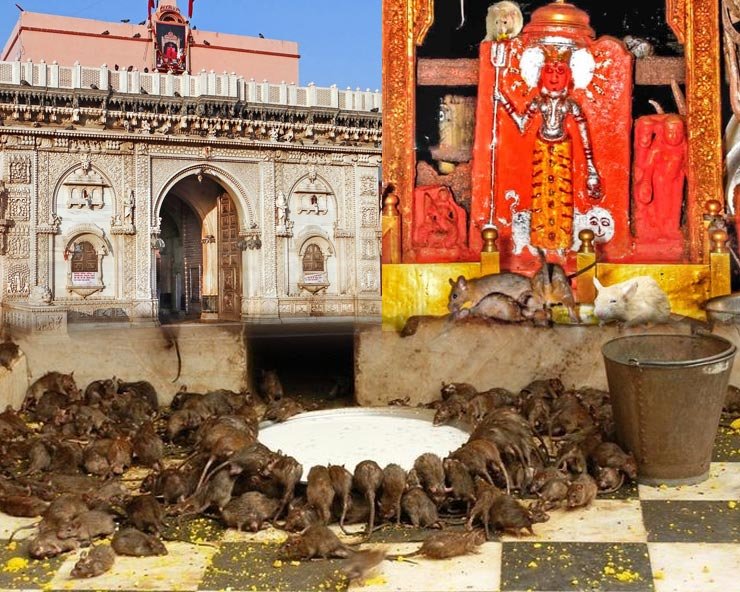
In the morning drive to Bikaner, this is true desert country and situated directly on the ancient caravan route which linked west / central Asia and North India. Enroute Asia's biggest camel breeding farm to watch different breeds of Camels. visit Junagarh Fort which includes Anup Mahal, Gaj Mandir, Sheesh Mahal and Prachina Museum, Lalgarh Palace. also visit to Karni Mata Temple temple near Bikaner dates back to the 1400s, when Karni Mata, an incarnation of the god Durga, asked the death-god Yoma to reincarnate the son of a grieving storyteller. When death refused to help, Karni Mata promised that all-male storytellers—members of the Charan caste—would be reincarnated as rats in her temple. When they die as rats, they are once more reincarnated as members of the Depavats family, as Karni Mata’s descendants are known. evening check inn to the hotel Overnight stay Bikaner
On arrival at your destination, Check in to your pre-arranged hotel. In the evening, you can stroll around the local market on your own or have some leisure time.
Includes: Private Vehicle Transfers
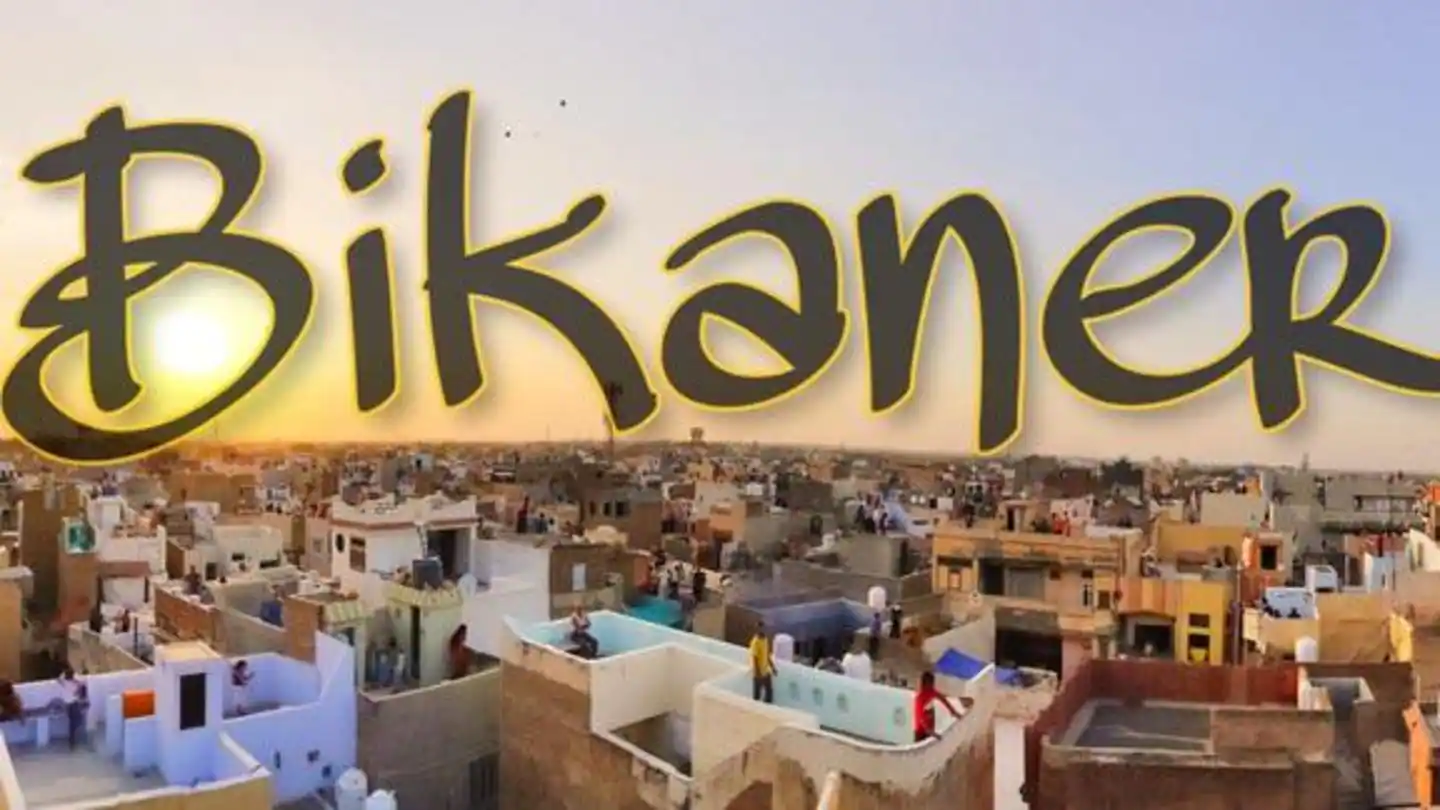
Bikaner is a city in the north Indian state of Rajasthan, east of the border with Pakistan. It's surrounded by the Thar Desert. The city is known for the 16th-century Junagarh Fort, a huge complex of ornate buildings and halls. Within the fort, the Prachina Museum displays traditional textiles and royal portraits. Nearby, the Karni Mata Temple is home to many rats considered sacred by Hindu devotees.
Includes: Hotel Accommodation as/if mentioned above
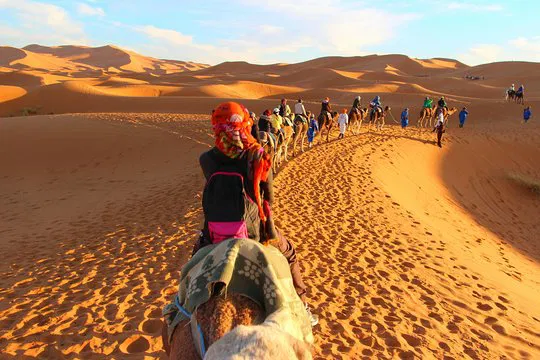
Check out from your hotel & drive to your next destination.
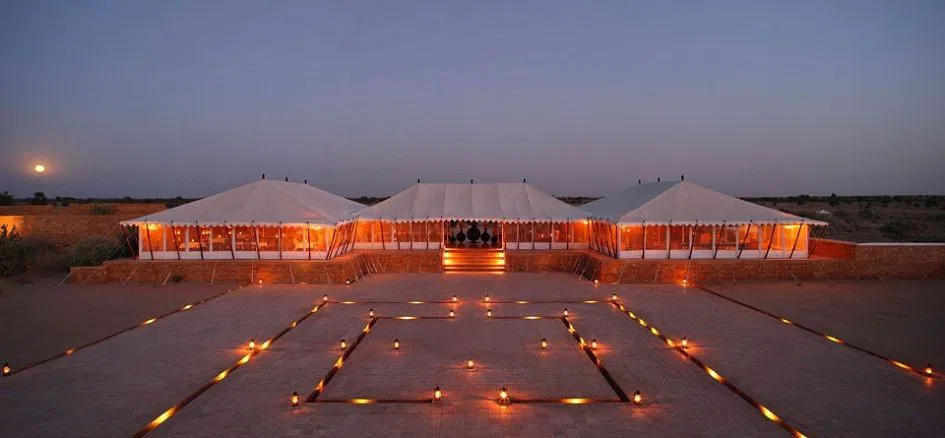
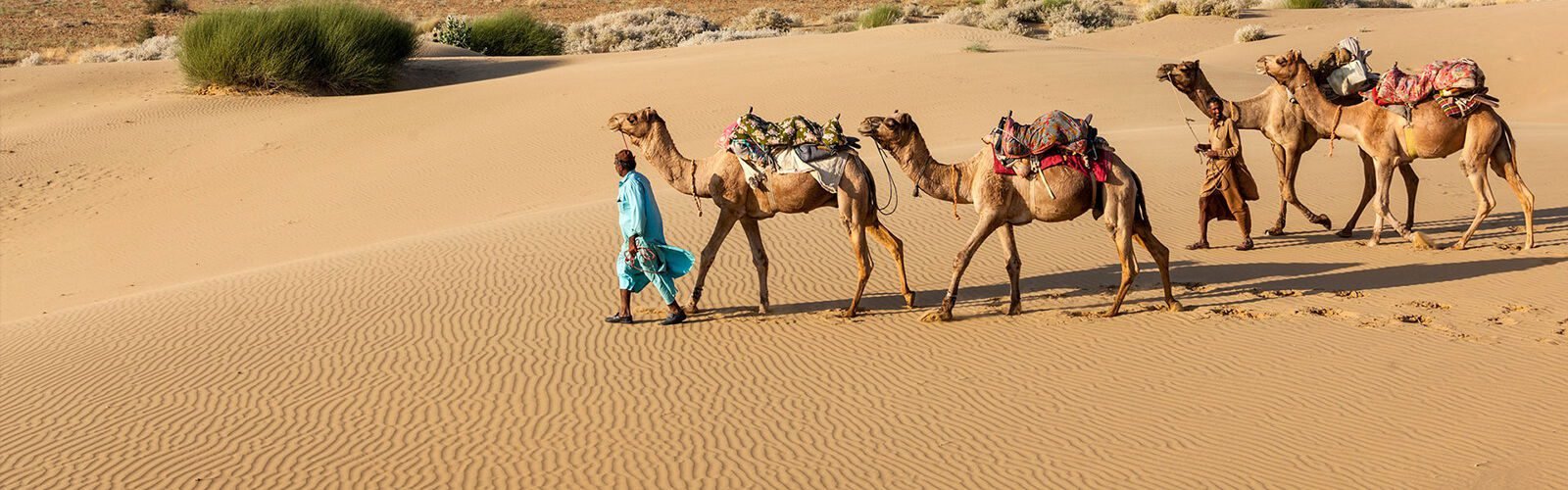
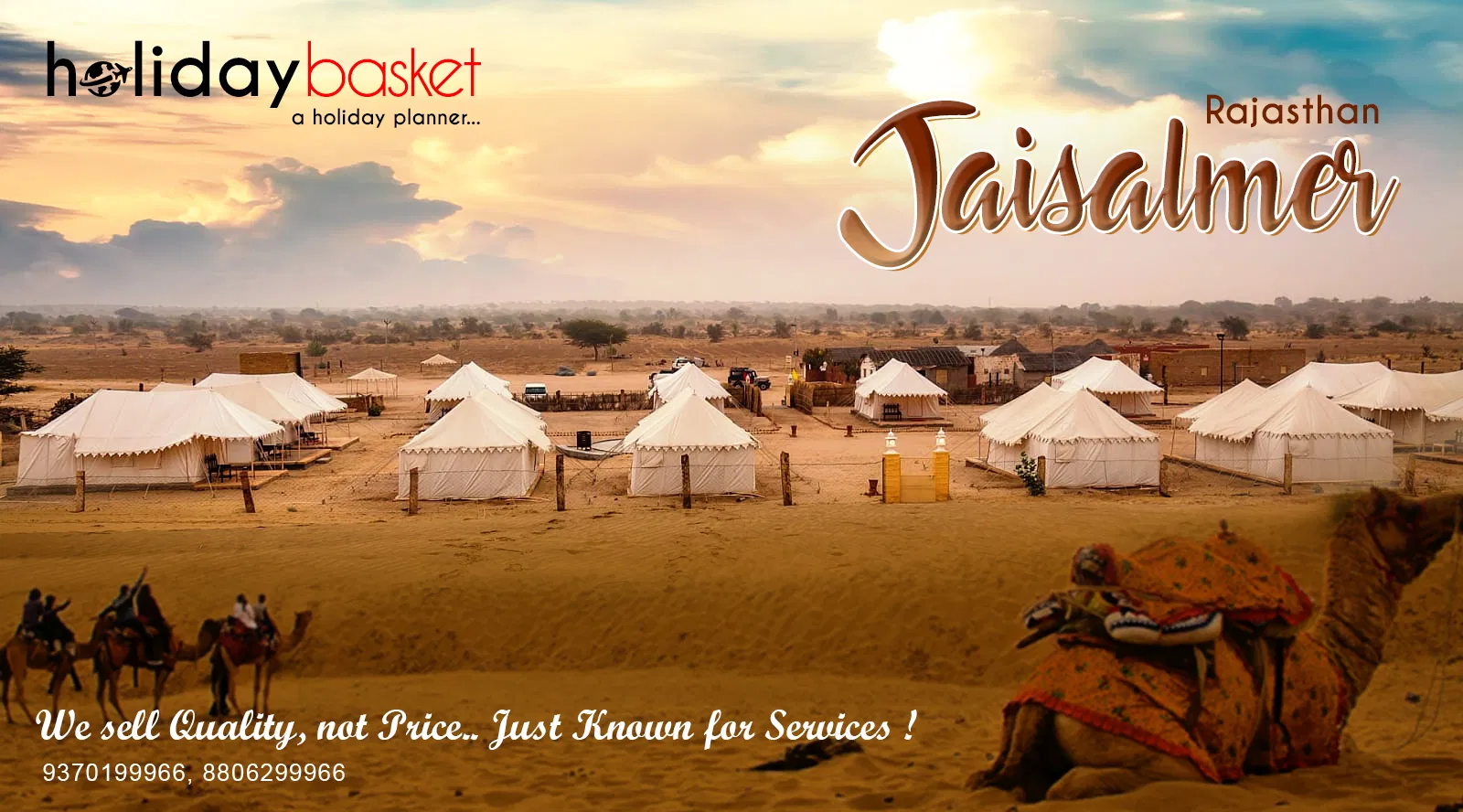
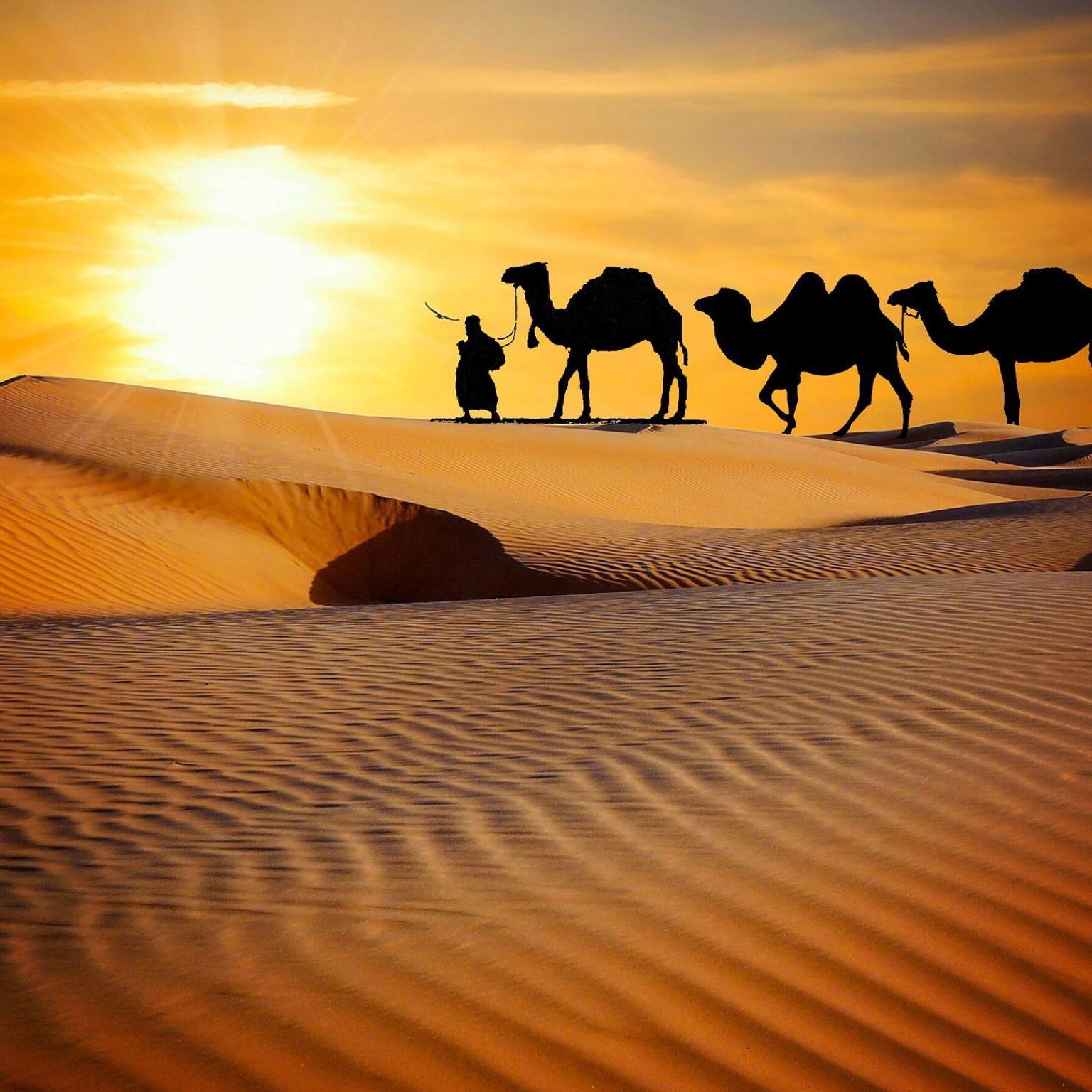
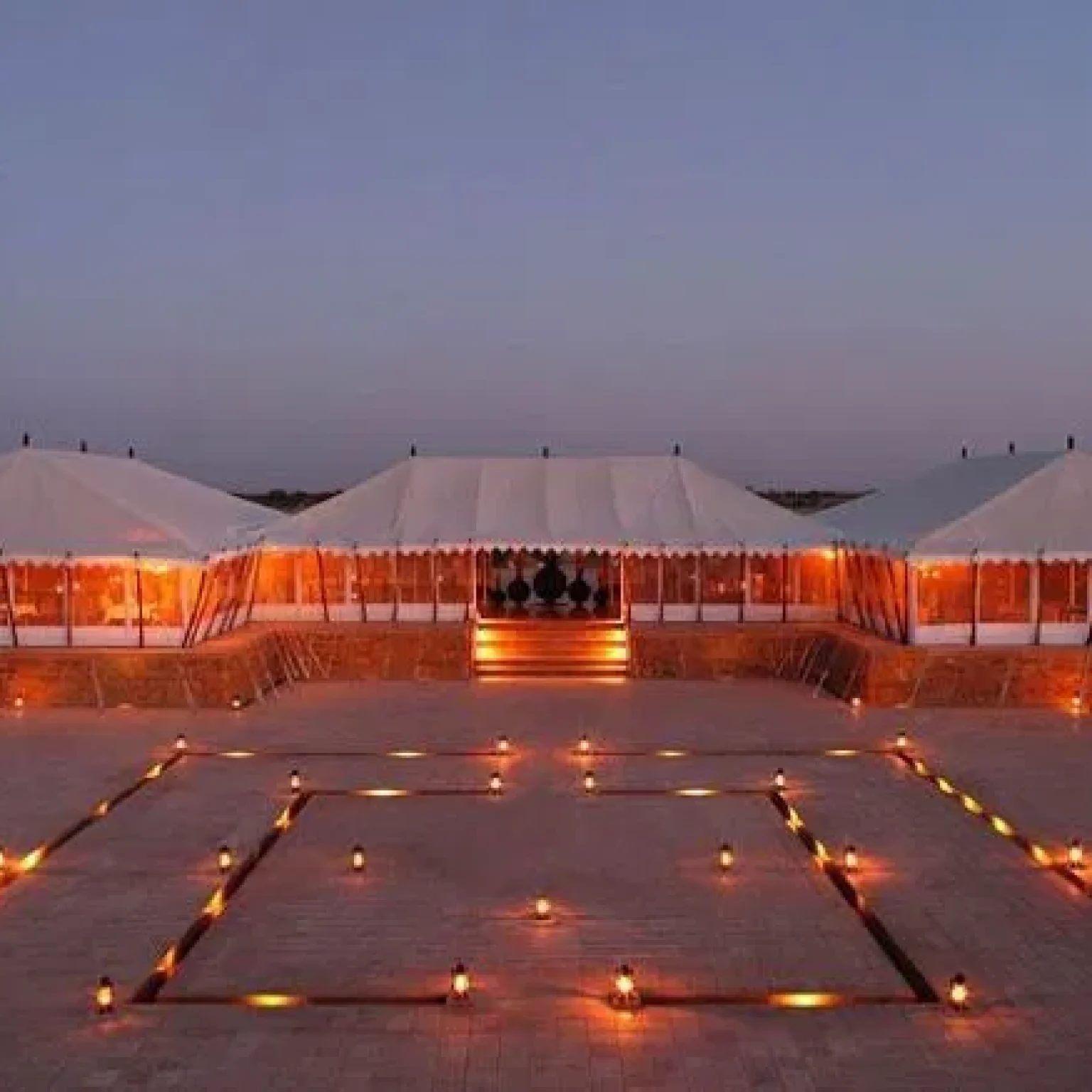
After Morning breakfast check out from the Hotel and proceed to Sam sand Dunes Jaisalmer. evening check inn to the Desert and proceed for Camel ride. enjoy the evening culture program. overnight stay at Sam Dunes Jaisalmer.
On arrival at your destination, Check in to your pre-arranged hotel. In the evening, you can stroll around the local market on your own or have some leisure time.
Includes: Private vehicle Transfers
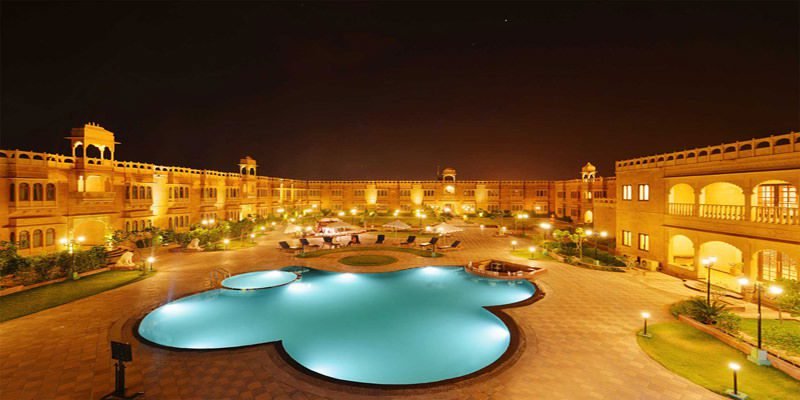
Overview: Sand Dunes, Jaisalmer is one of the best cities in the whole Thar desert area of Rajasthan. Here you will find vast desert land and two prominent desert dune sites Sam Sand Dunes and Khuri Sand Dunes.
Includes: Accommodation | Breakfast | Dinner
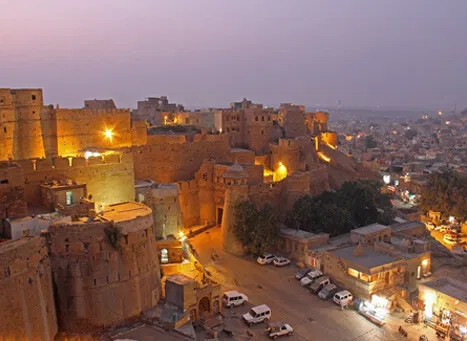
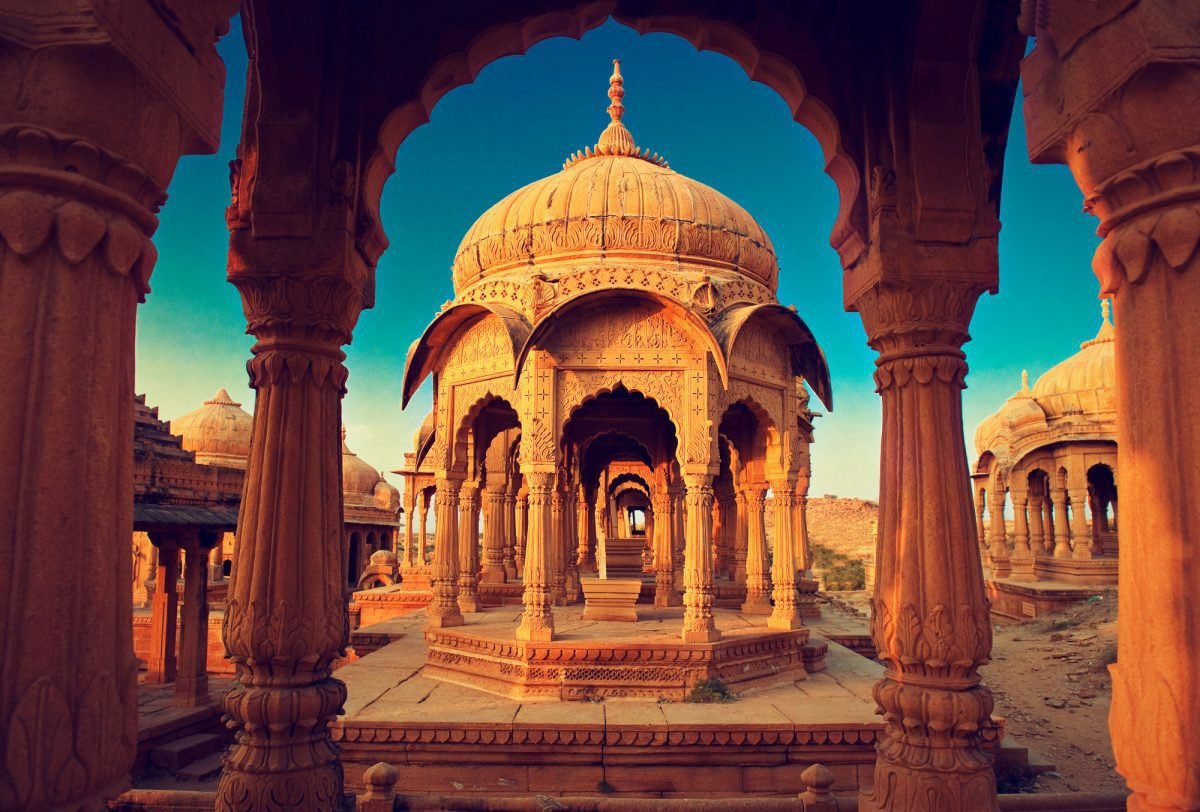
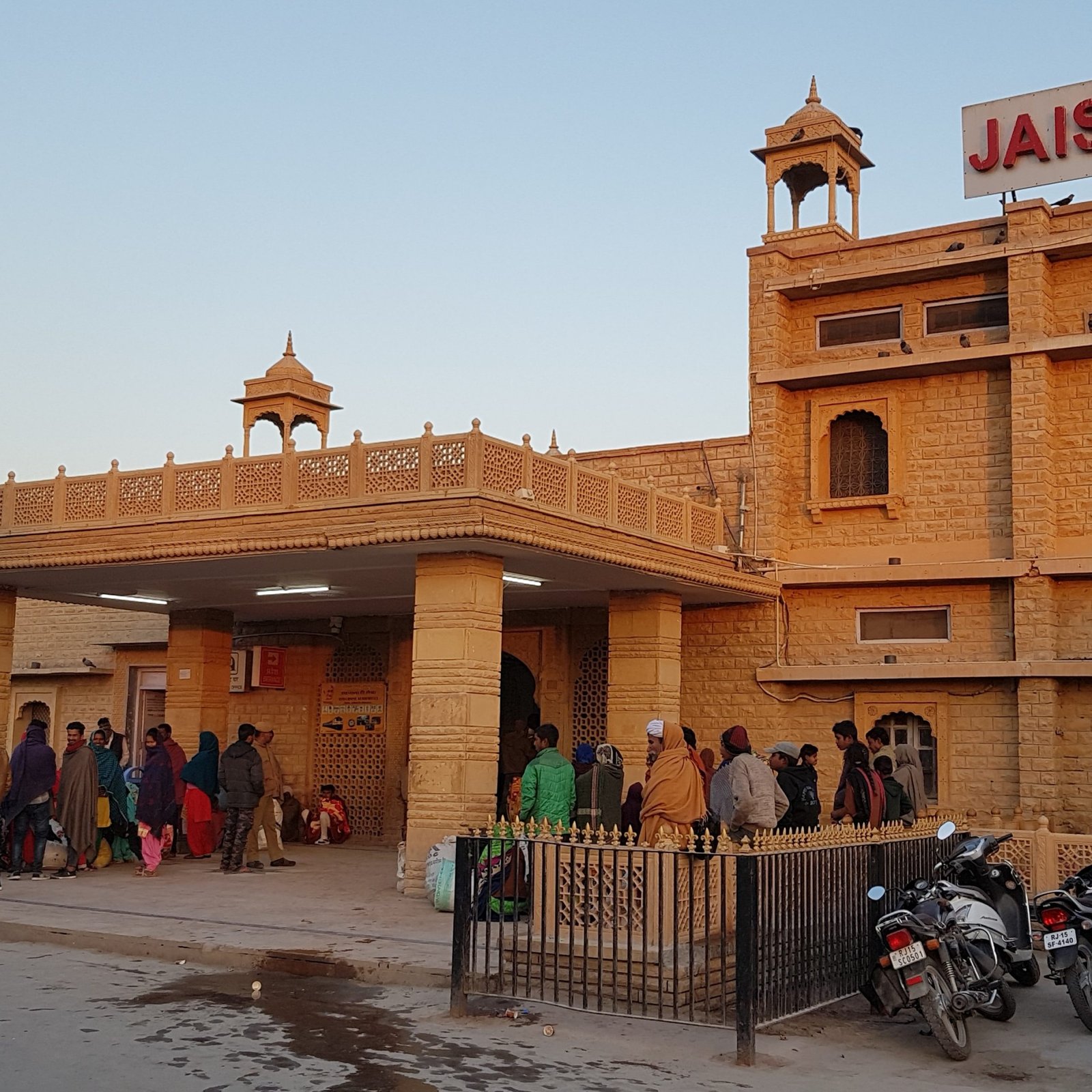
Jaisalmer Fort is situated in the city of Jaisalmer, in the Indian state of Rajasthan. It is believed to be one of the very few "living forts" in the world, as nearly one fourth of the old city's population still resides within the fort. For the better part of its 860-year history, the fort was the city of Jaisalmer. The first settlements outside the fort walls, to accommodate the growing population of Jaisalmer, are said to have come up in the 17th century. Jaisalmer Fort is the second oldest fort in Rajasthan, built in 1156 AD by the Rajput Rawal Jaisal from whom it derives its name, and stood at the crossroads of important trade routes. The fort's massive yellow sandstone walls are a tawny lion colour during the day, fading to honey-gold as the sun sets, thereby camouflaging the fort in the yellow desert. For this reason it is also known as the Sonar Quila or Golden Fort. The name Sonar Quila was popularized by tourists after famous Bengali film of the same name, that was shot in this fort by eminent filmmaker Satyajit Ray. The fort stands amidst the sandy expanse of the great Thar Desert on Trikuta Hill, hence also known as Trikutgarh.
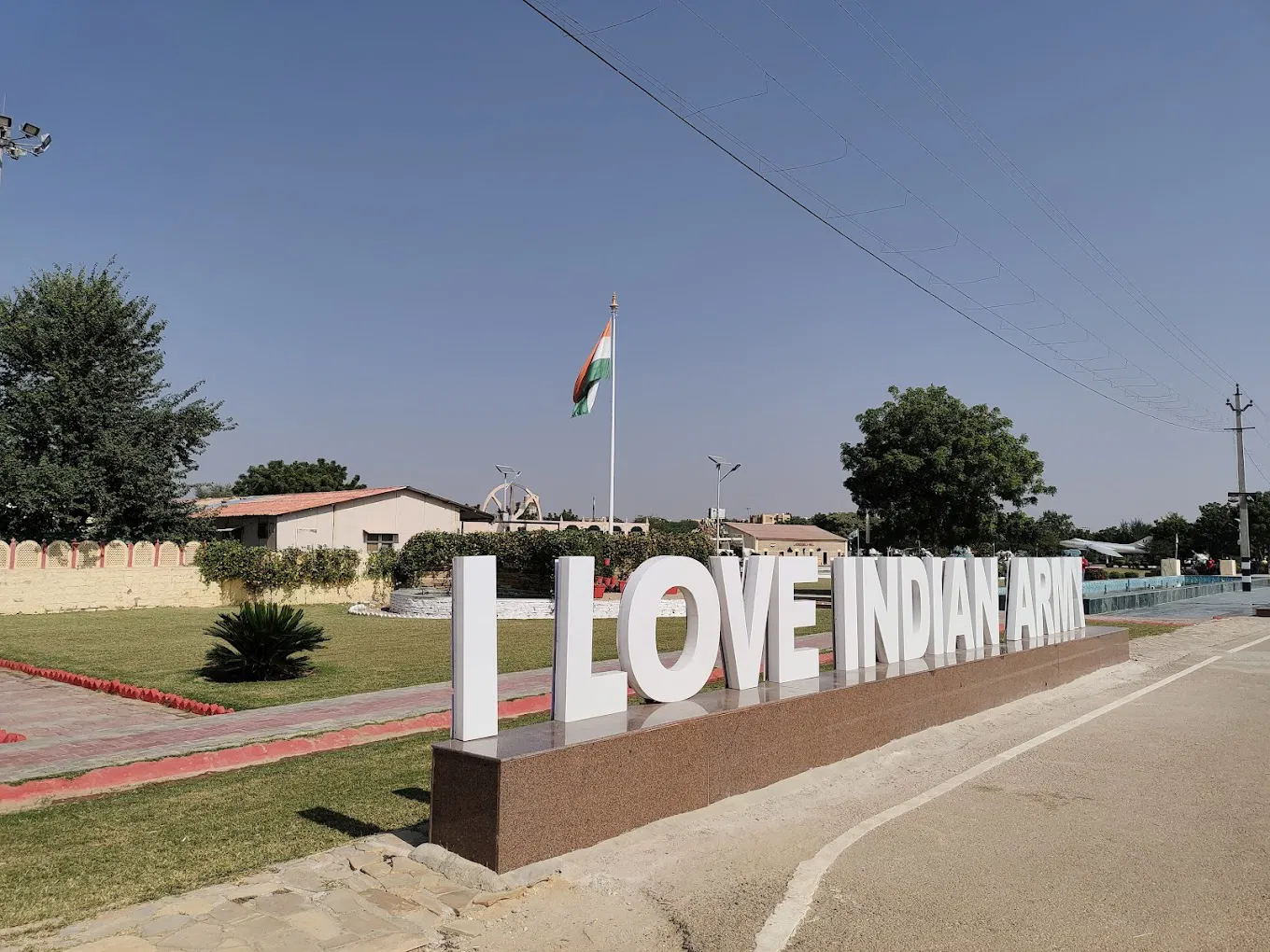
The Jaisalmer War Museum was conceived by Lieutenant General Bobby Mathews, AVSM, VSM, General Officer Commanding, Desert Corps and constructed by the Desert Corps of the Indian Army.
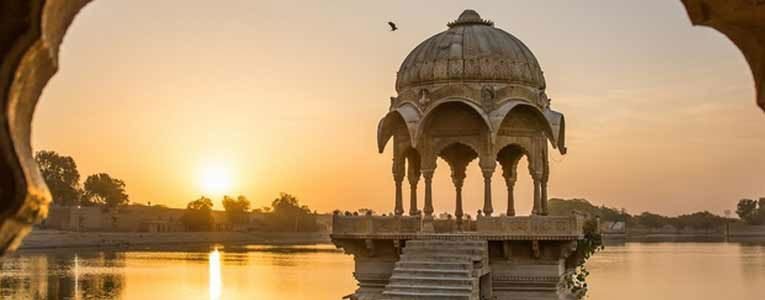
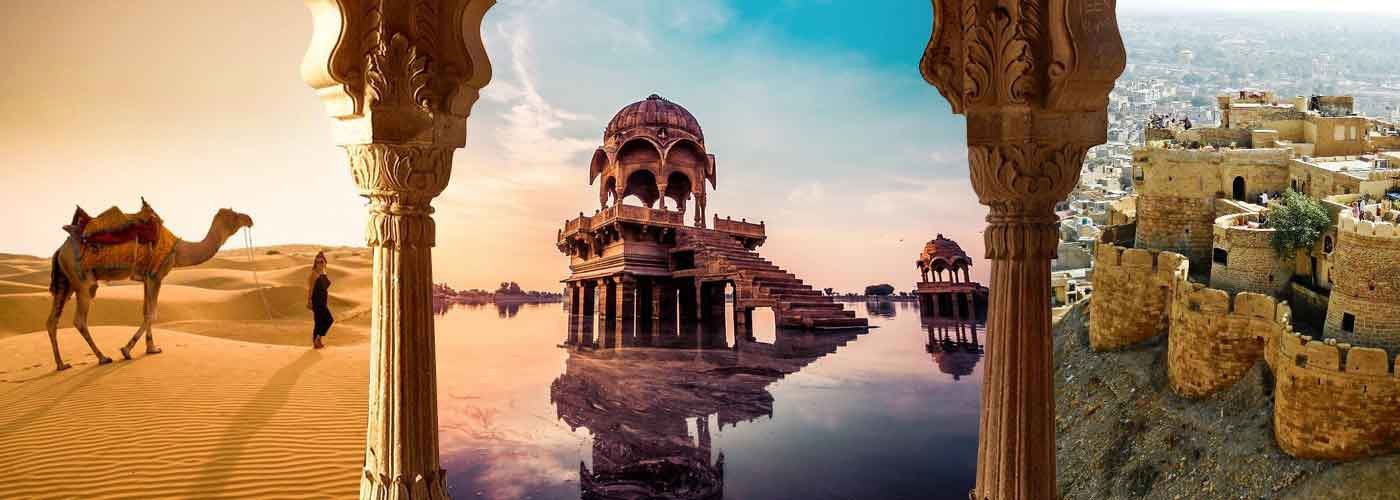
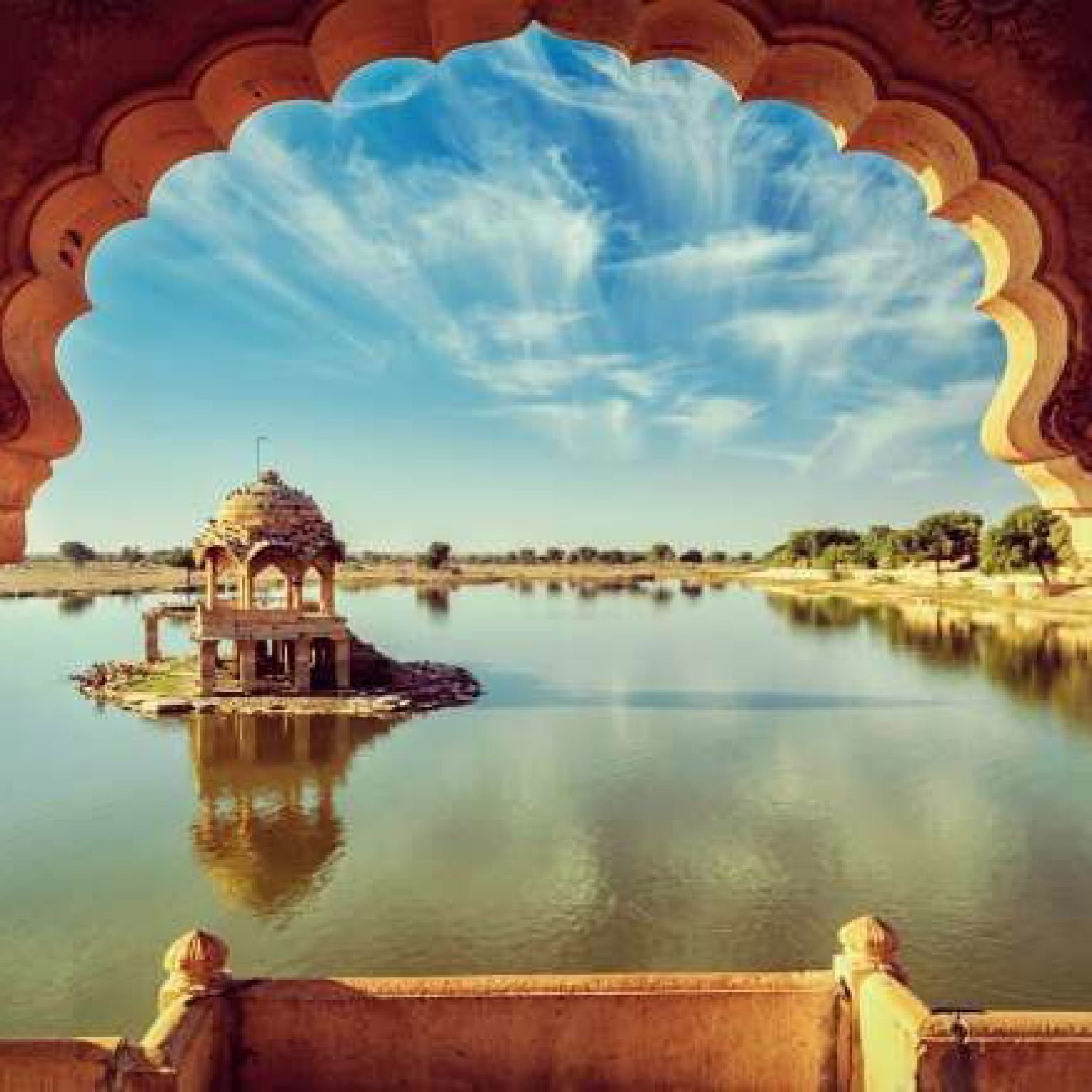
Gadisar Lake is also called Gadsisar Lake. It was built by the founder of Jaisalmer, King Rawal Jaisal in 1156 AD and later rebuilt by Gadsi Singh in the year around 1367 AD. This lake is an artificial lake. A man-made water reservoir, the Gadisar Lake was once the only source of water in Jaisalmer.
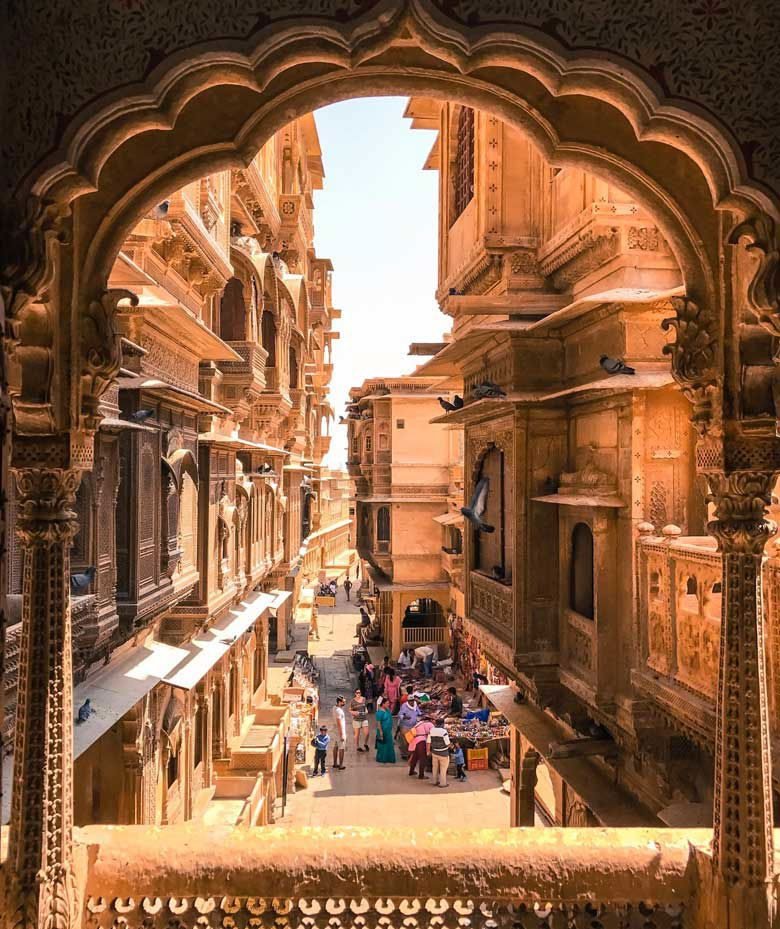
Patwa Havelis are a cluster of five havelis aligned in a narrow lane in the heart of the city. Of the five havelis, the first haveli in the lane aka the Kothari’s Patwa Haveli is not only extraordinarily preserved and restored but is also open to visitors to experience the lifestyle of the erstwhile patwas.
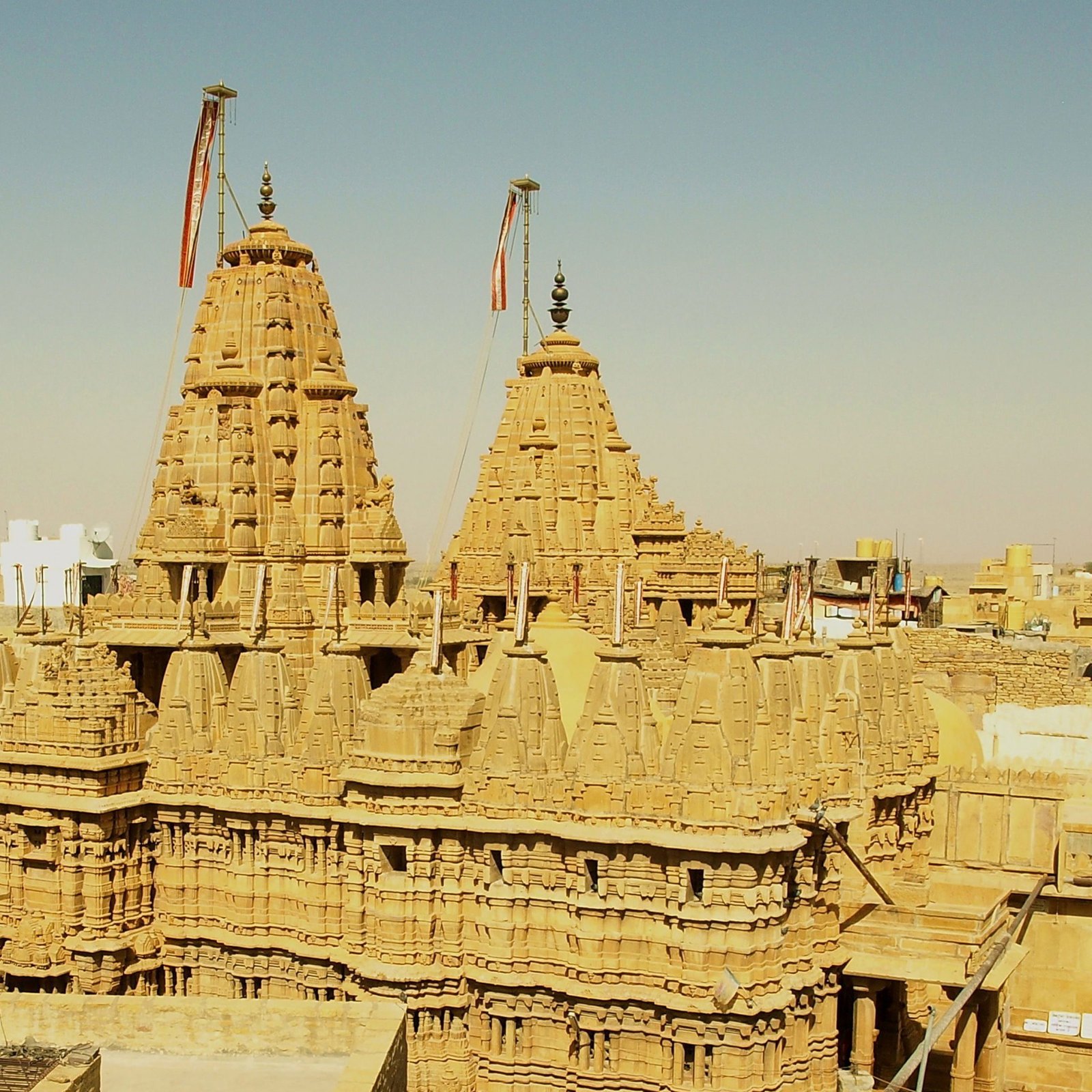
Jain Temples of Jaisalmer are situated right inside the Jaisalmer Fort campus. There are a total of seven of these temples, each one a sight of sheer greatness. Containing frescoes, mirrors and other forms of detailing, the temples boast of exquisite designs, with the walls of the temples adorned with human and animal figures in the style of Dilwara temples. Upon reaching the Jain Temples in Jaisalmer, you will see Chandraprabhu, the first temple.
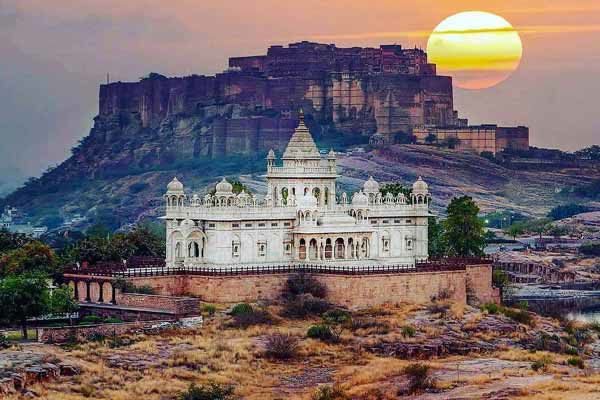
Early in the morning depart for Jodhpur by surface approx. 285 km / 6 hrs.The home of Rathores the city boasts of a rich heritage and culture and has a flourishing handicrafts industry. On arrival transfer to the hotel and afternoon proceed for sightseeing of Jodhpur visiting Mehrangarh Fort - which houses some of the most intricately adorned palaces and latticed windows, Jaswant Thada - it is the memorial of Maharaja Jaswant Singh & Umaid Bhavan Palace- the unique feature of this palace is the fact that hand chiseled sandstone blocks have been put together in a special system of interlocking there is no mortar binding. There are excellent museum housing models of airplanes, weapons, antique clocks etc. Over night stay at the hotel.
Includes: Private Vehicle Transfers

Overview: Jodhpur is a city in the Thar Desert of the northwest Indian state of Rajasthan. Its 15th-century Mehrangarh Fort is a former palace that’s now a museum, displaying weapons, paintings, and elaborate royal palanquins (sedan chairs). Set on a rocky outcrop, the fort overlooks the walled city, where many buildings are painted the city’s iconic shade of blue.
Includes: Hotel Accommodation as/if mentioned above
Breakfast at the hotel, followed by a sightseeing tour of the erstwhile Marwar capital. From the imposing Meherangarh Fort to the delicately wrought jharokhas of the havelis, the citadel has some of the finest examples of Rajput masony.At the foot of the fort lies the Jaswant Thada, a richly carved white marble cenotaph. later Visit Umaid Bhawan Palace, located at Jodhpur in Rajasthan, India, is one of the world's largest private residences. A part of the palace is managed by Taj Hotels. Named after Maharaja Umaid Singh, grandfather of the present owner Gaj Singh of the palace, this edifice has 347 rooms and serves as the principal residence of the erstwhile Jodhpur royal family. A part of the palace also houses a museum. Umaid Bhawan Palace was called Chittar Palace during its construction due to use of stones drawn from the Chittar hill where it is located. Ground for the foundations of the building was broken on 18 November 1929 by Maharaja Umaid Singh and the construction work was completed in 1943. The Palace was built to provide employment to thousands of people during the time of famine.
Includes: Private Vehicle Transfers
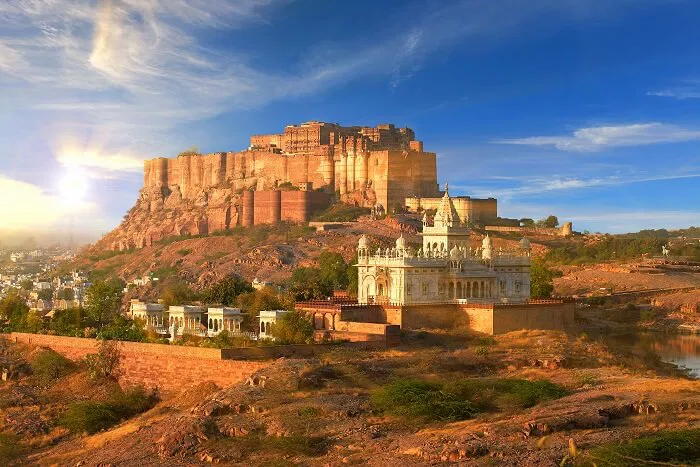
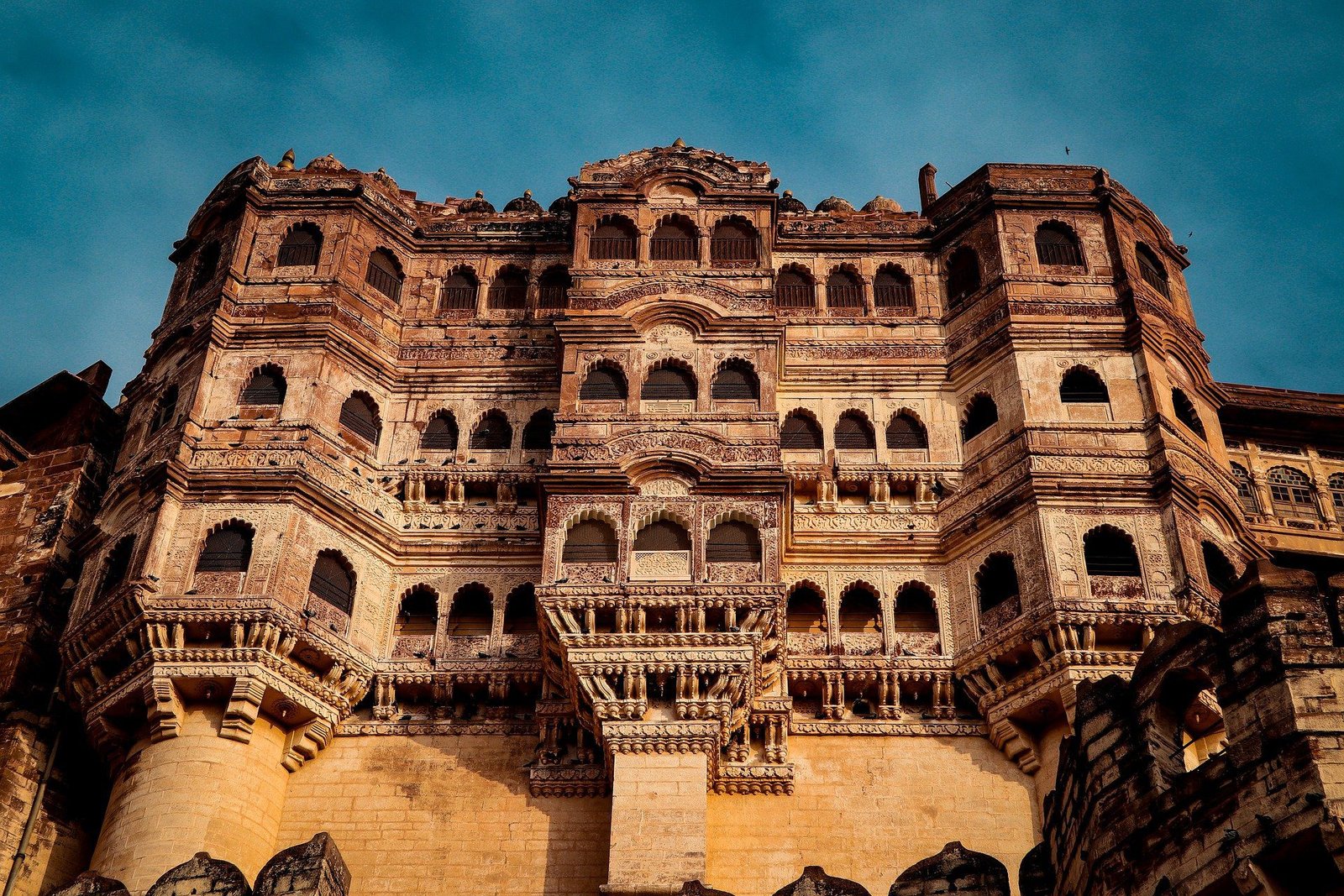
Mehrangarh Fort covers an area of 1,200 acres in Jodhpur, Rajasthan, India. The complex is located on a hilltop around 122 meters above the surrounding plain and was constructed c. 1459 by Rajput ruler Rao Jodha, though most of the existing structure is from the 17th century. Inside its boundaries, there are several palaces known for their intricate carvings and expansive courtyards, as well as a museum housing various relics. A winding road leads to and from the city below. The imprints of the impact of cannonballs fired by the attacking armies of Jaipur can still be seen on the second gate. At the north-east of the fort is the chhatri of Kirat Singh Soda, a soldier who fell on the spot defending Mehrangarh. There are seven gates, which include Jai Pol, built by Maharaja Man Singh to commemorate his victories over the Jaipur and Bikaner armies in 1806. The Fattehpol commemorates the victory of Maharaja Ajit Singh over the Mughals. Some of the notable festivals taking place here include the World Sacred Spirit Festival and Rajasthan International Folk Festival.
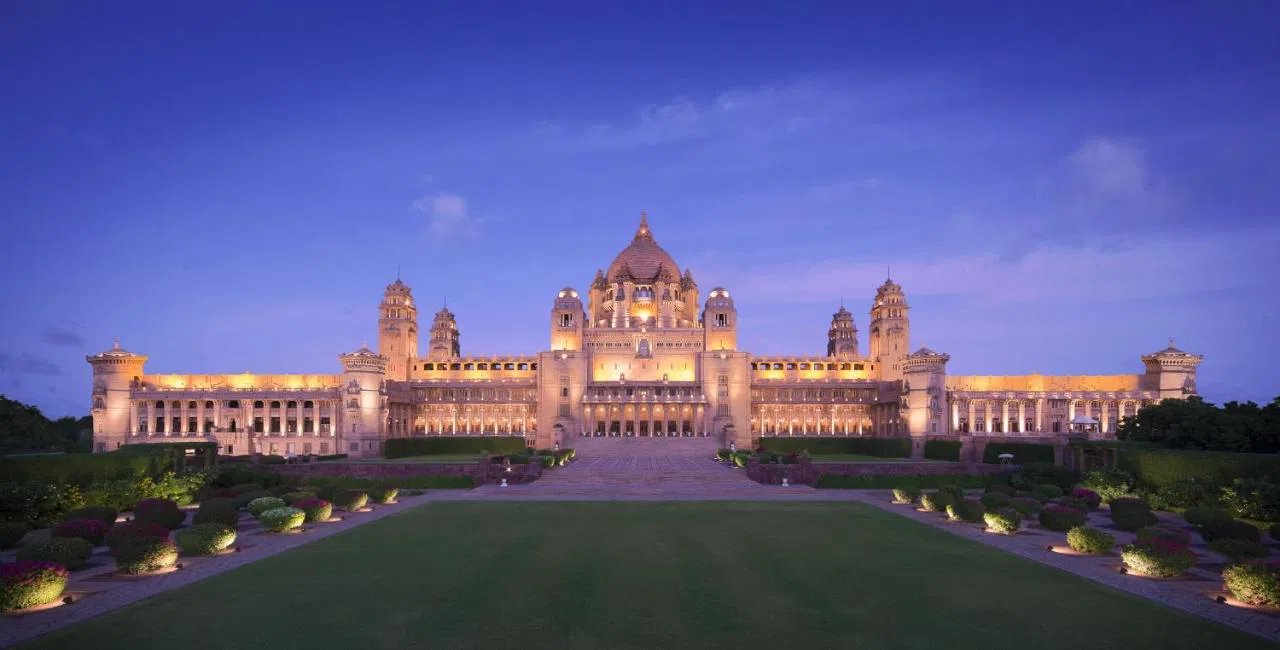
Umaid Bhawan Palace, located in Jodhpur, Rajasthan, India, is one of the world's largest private residences. A part of the palace is managed by Taj Hotels. It is named after Maharaja Umaid Singh, grandfather of the present owner, Gaj Singh. The palace has 347 rooms and is the principal residence of the former Jodhpur royal family. A part of the palace is a museum. The groundbreaking for the foundations of the building was carried out on 18 November 1929 by Maharaja Umaid Singh and the construction work was completed in 1943.
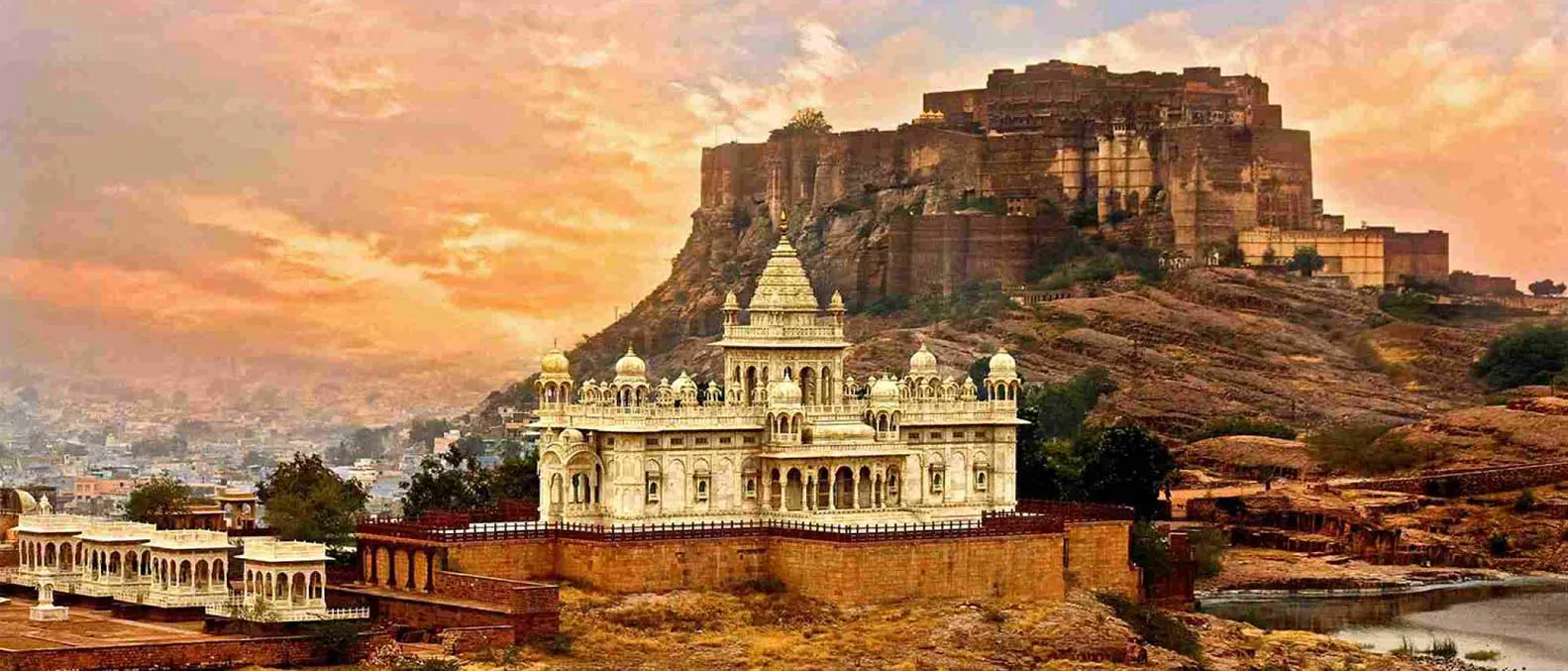
The Jaswant Thada is a cenotaph located in Jodhpur, in the Indian state of Rajasthan. It was built by Maharaja Sardar Singh of Jodhpur State in 1899 in memory of his father, Maharaja Jaswant Singh II, and serves as the cremation ground for the royal Rajput family of Marwar. The cenotaph is built out of intricately carved sheets of marble. These sheets are extremely thin and polished so that they emit a warm glow when illuminated by the Sun. The cenotaph's grounds feature carved gazebos, a tiered garden, and a small lake. There are three other cenotaphs in the grounds. The cenotaph of Maharaja Jaswant Singh displays portraits of the rulers and Maharajas of Jodhpur.
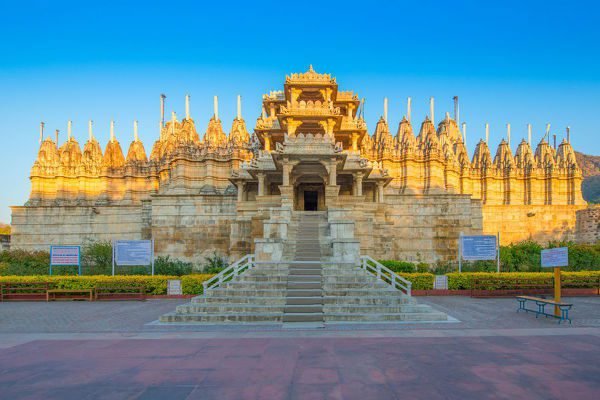
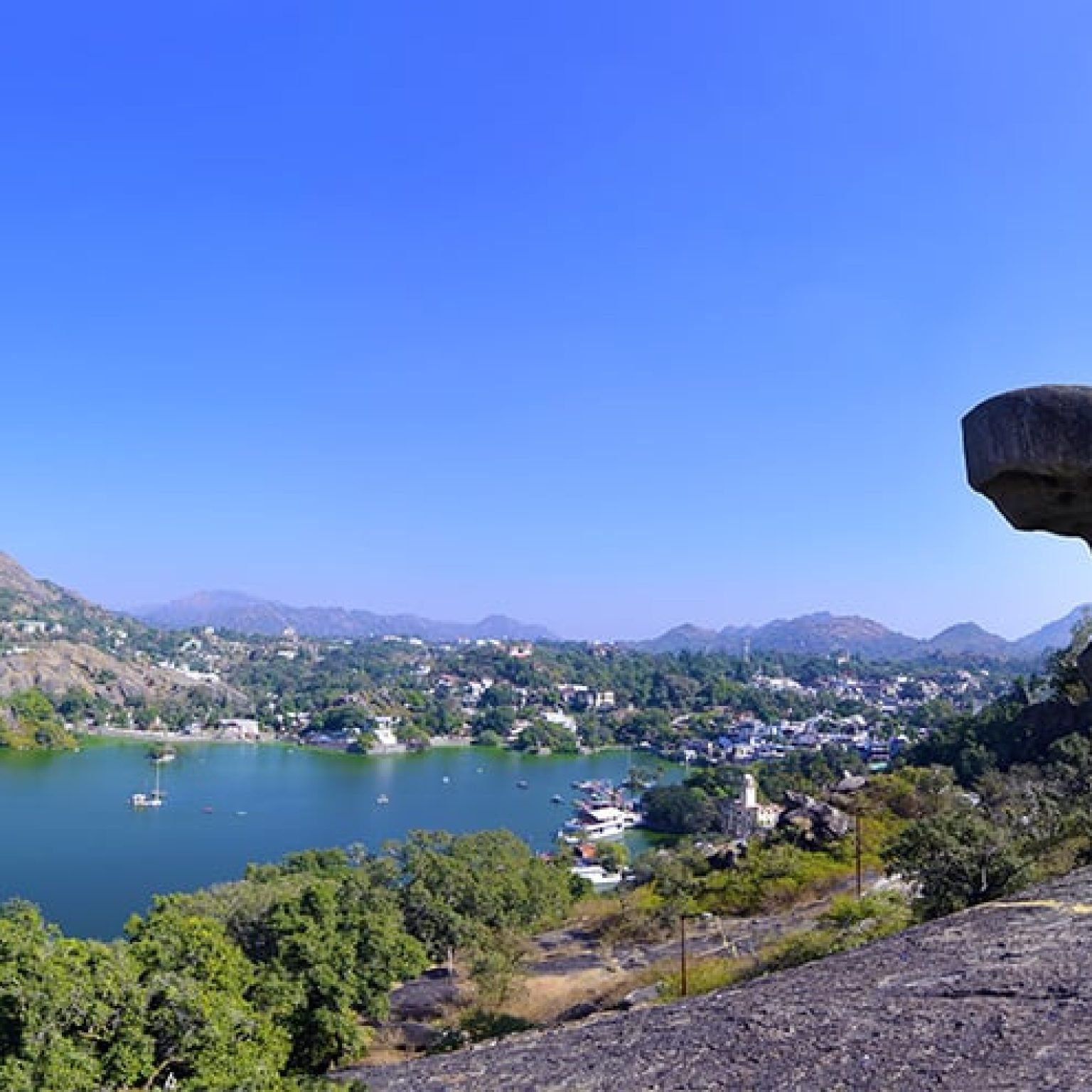
Today after breakfast we checkout from hotel and proceed for Mount Abu by Road. Mount Abu is a hill station in western India’s Rajasthan state, near the Gujarat border. Set on a high rocky plateau in the Aravalli Range and surrounded by forest, it offers a relatively cool climate and views over the arid plains below. In the center of town, Nakki Lake is a popular spot for boating. Close by are the centuries-old Dilwara Temples, ornately carved from white marble and of great spiritual importance.. Reach late at Mount Abu. Overnight at Hotel.
Includes: Private Vehicle Transfers
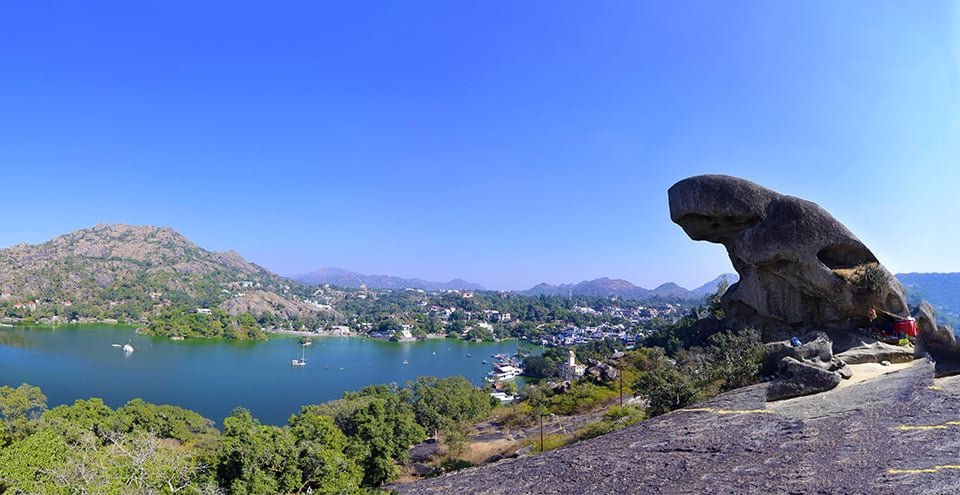
Mount Abu, the only hill station in the desert state of Rajasthan, is a popular retreat known for its cool climate, lush green hills of the Aravalli Range, and significant religious sites. Key highlights include the serene Nakki Lake, believed to have been dug by the gods, where visitors enjoy boating and stunning sunset views; the magnificent Dilwara Jain Temples, a marble architectural masterpiece renowned for their intricate carvings and spiritual ambiance; and the high Guru Shikhar peak, offering panoramic views of the entire region. Other attractions include the lush green Mount Abu Wildlife Sanctuary and various viewpoints like Sunset Point and Honeymoon Point, making it a perfect blend of natural beauty, spiritual tranquility, and adventure.
Includes: Hotel Accommodation as/if mentioned above
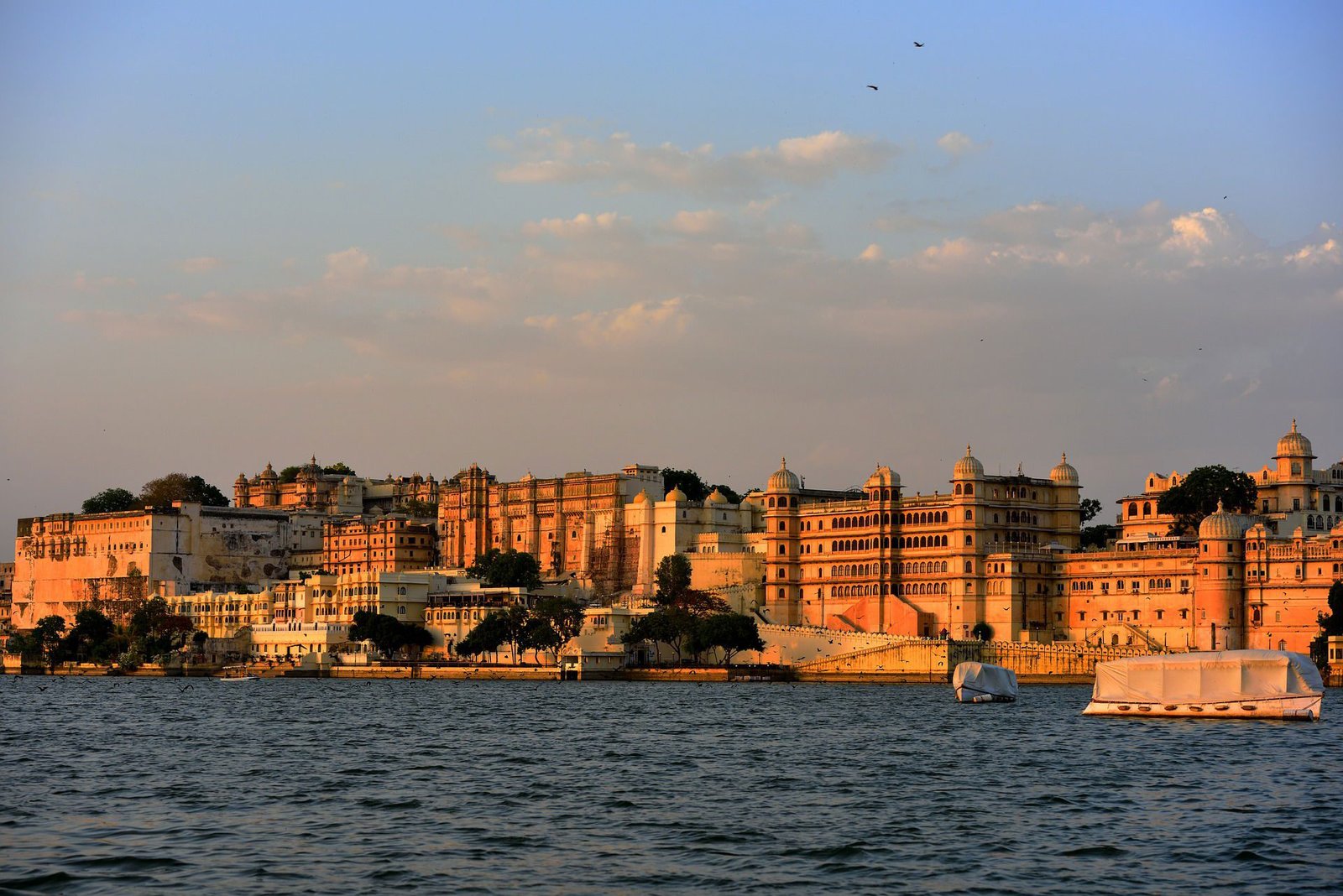
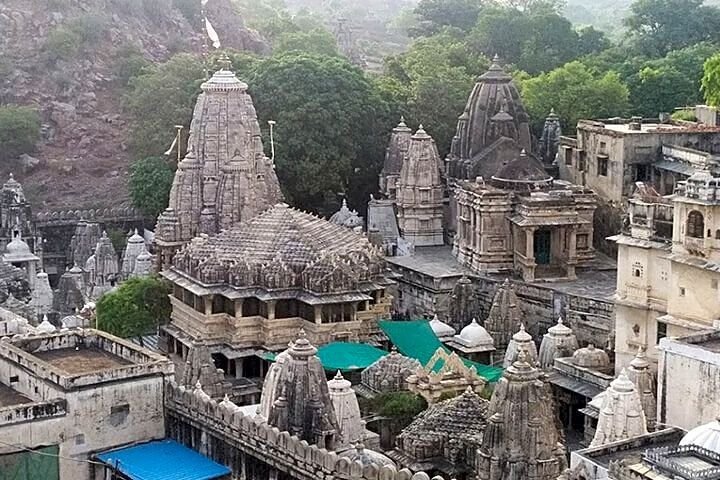
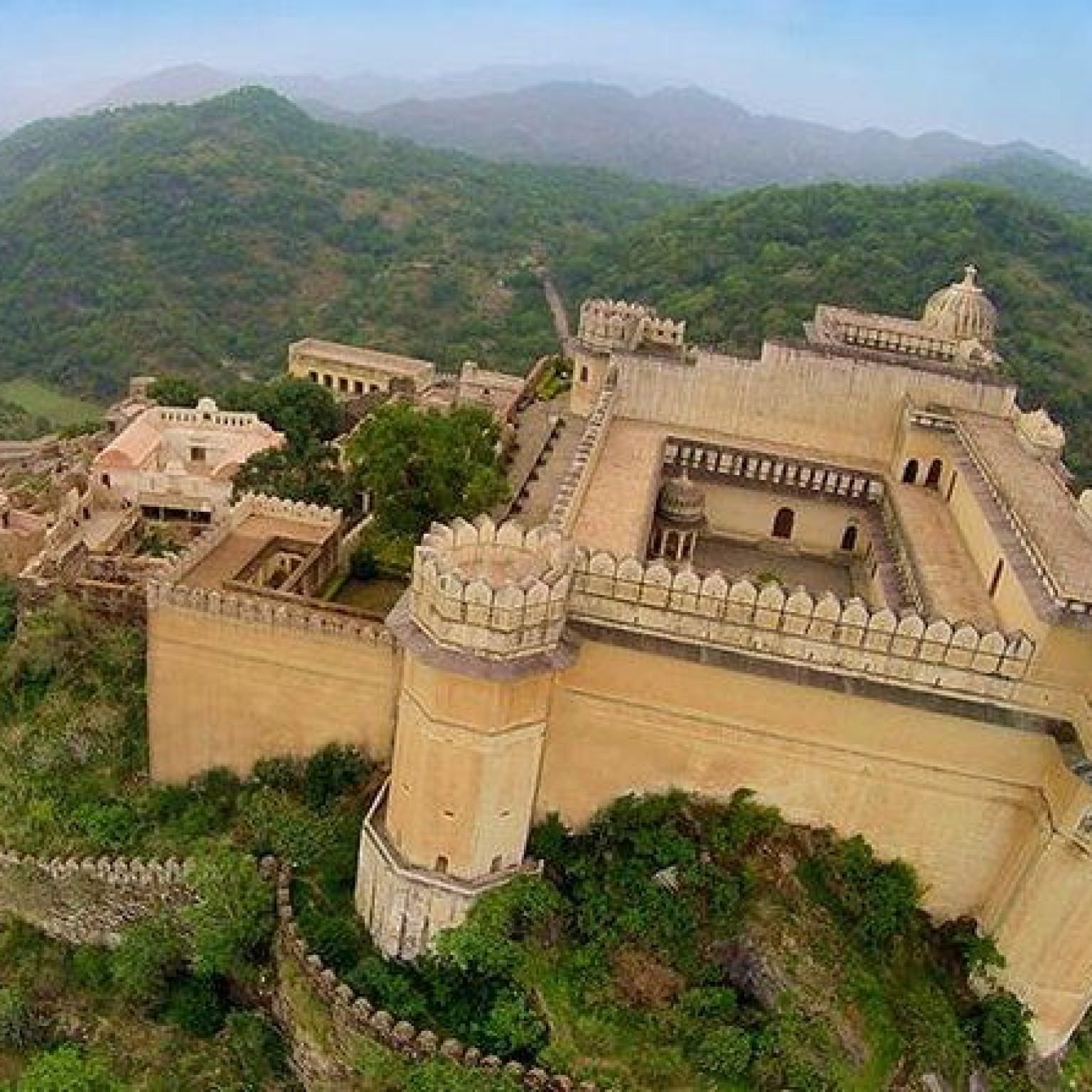
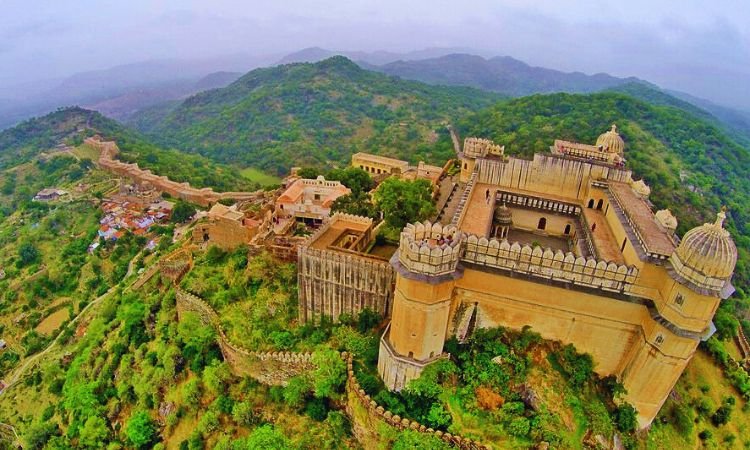
Early morning depart for Udaipur by surface approx. 286 kms / 7 hrs. Enroute visit Kumbhalgarh visit to Kumbhalgarh fort is a Mewar fortress on the westerly range of Aravalli Hills, in the Rajsamand district near Udaipur of Rajasthan state in western India. It is a World Heritage Site included in Hill Forts of Rajasthan. latter on visit nathdwara, Shrinathji Temple is a hindu temple dedicated to Shrinathji in Nathdwara. It is considered an important pilgrimage centre by Vaishnavs. Eklingji is a Hindu temple complex in Udaipur District of Rajasthan in western India. Eklingji is believed to be the ruling deity of Mewar Princely State and the Ruler Maharana rules as his Dewan. late evening rich to udaipur over night stay at udaipur.
Includes: Private Vehicle Transfers
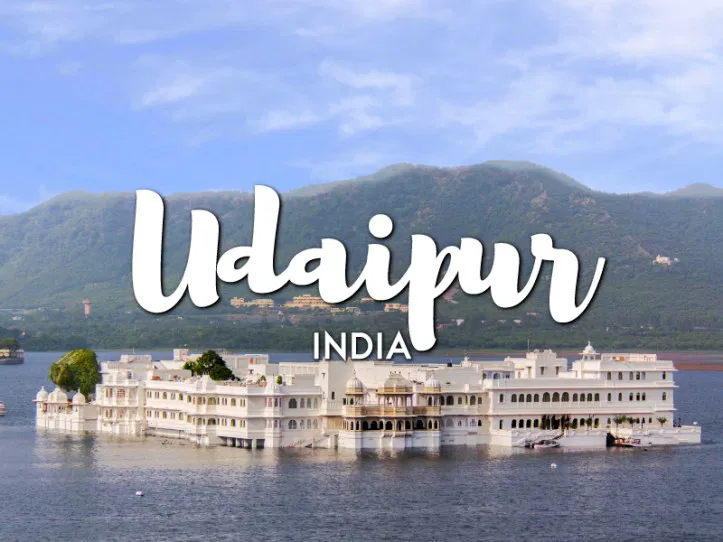
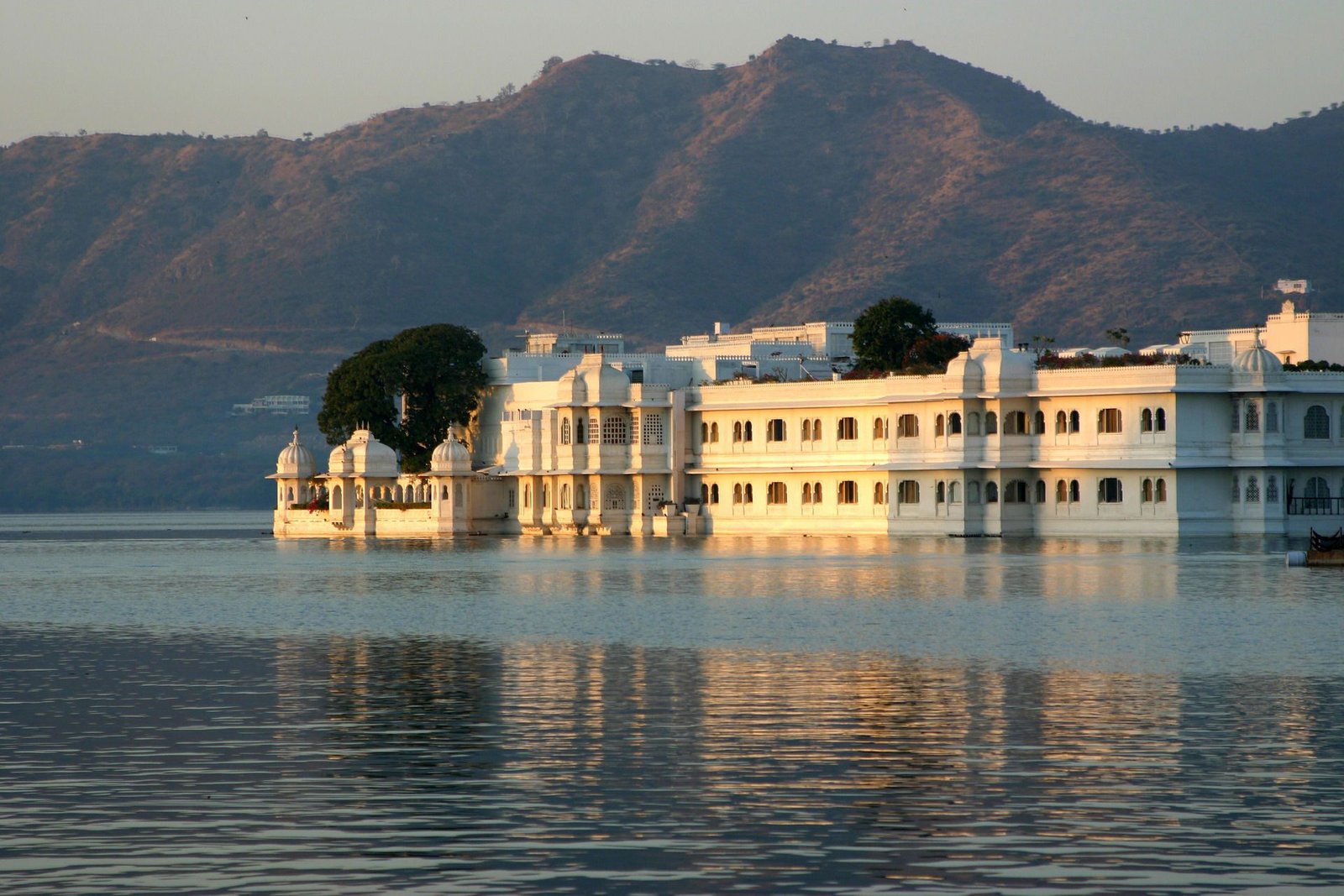
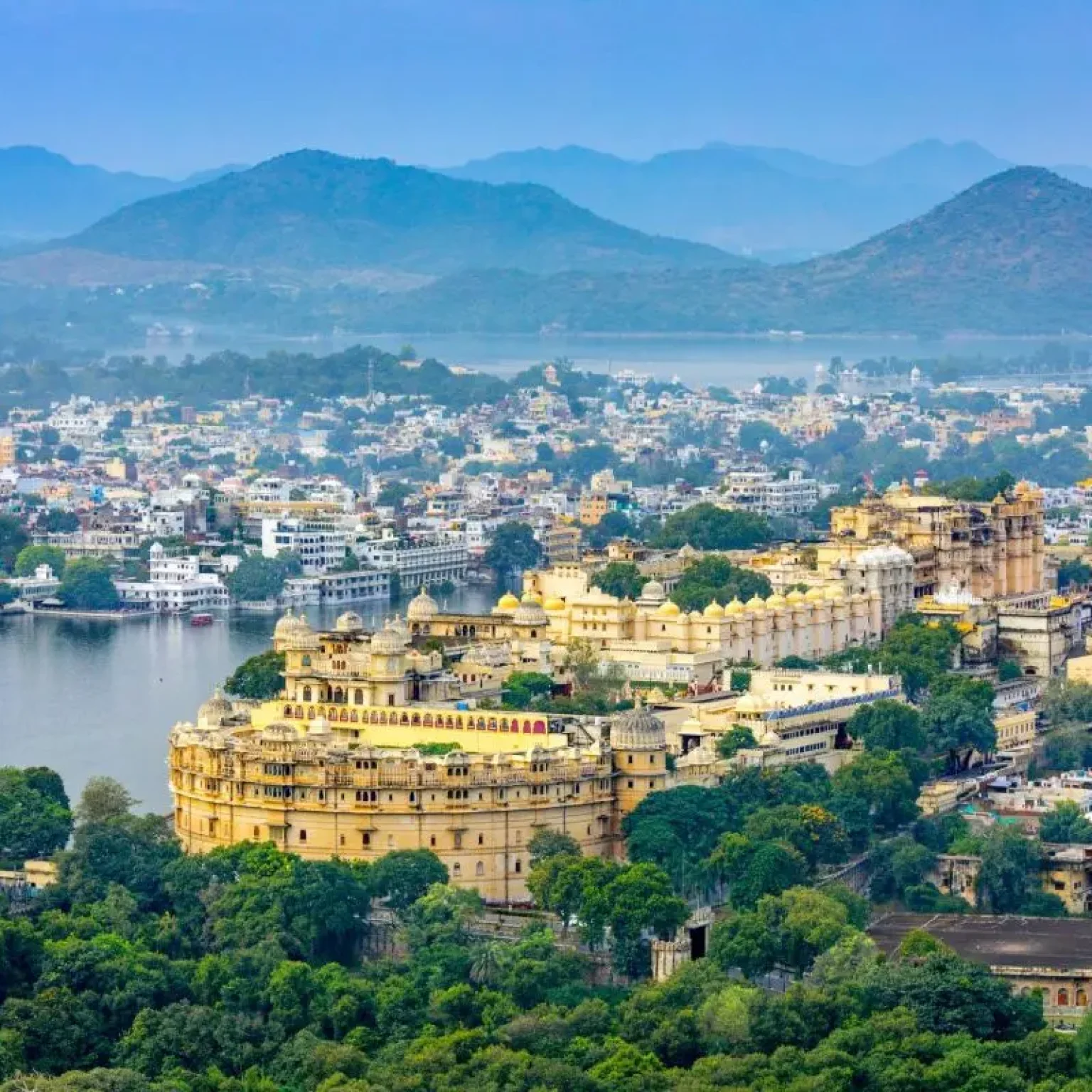
Udaipur was founded in 1553 by Maharana Udai Singh II as the new capital of the Mewar Kingdom and is known for its lavish royal residences. City Palace, overlooking Lake Pichola, is a monumental complex of 11 palaces, courtyards, and gardens, famed for its intricate peacock mosaics. The most visited places of Udaipur are the stunning City Palace is the largest palace complex of the state, Saheliyon ki Bari is a major garden and a popular tourist space in Udaipur, Jag Mandir Island is a palace built on an island in the Lake Pichola, and the famous Jag Niwas Island.
Includes: Hotel Accommodation as/if mentioned above
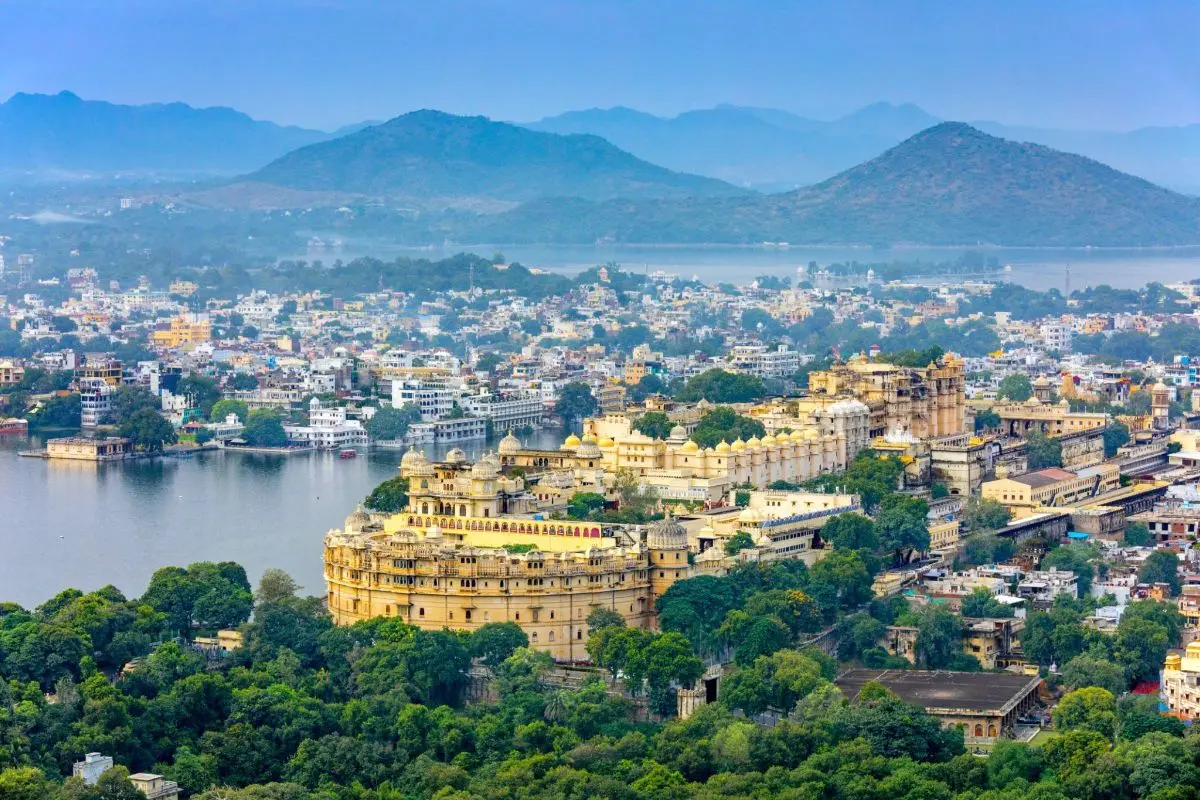
After breakfast, we will visit City Palace complex and the shores of the Lake Pichola. The City Palace was built as the capital of the Sisodia Rajput family by Maharana Udai Mirza Singh in 1559 after Situated on the east bank of the Pichola Lake, it has many palaces inside its complex. Believed to be the largest of its kind in Rajasthan, the splendid building represents a perfect combination of the Mughal and Rajasthani architectural styles. Later, we will visit the mysterious palaces and beautiful gardens. Continue our drive we will head towards the Saheliyon ki Badi, the Garden of the Maids of Honour for the Royal Ladies of Mewar. The rest of the afternoon is free for leisure or you can enjoy a boat ride on the striking Lake Pichola, sailing past the stunning City Palace, Jag Mandir Island, and the famous Jag Niwas Island. In the evening, we will transfer you to the hotel for an overnight stay.
Includes: Private Vehicle Transfers
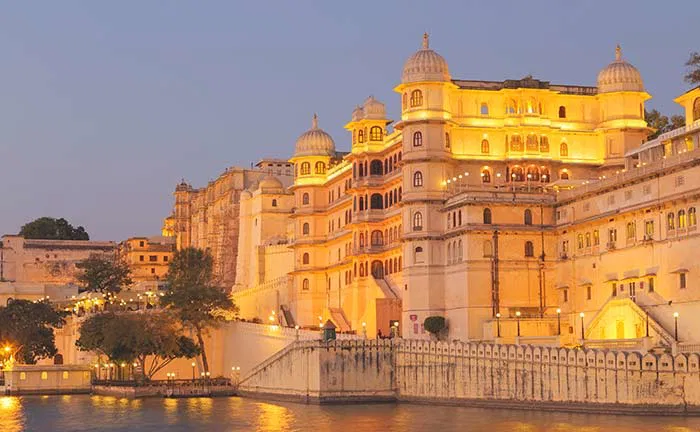
Udaipur City Palace is one of the architectural marvels of Rajasthan, located peacefully on the banks of Lake Pichola. It was built over nearly 400 years, with contributions from several rulers of the Mewar dynasty. The Maharanas lived and administered their kingdom from this palace, making the palace complex an important historical landmark (Tickets Exclude)
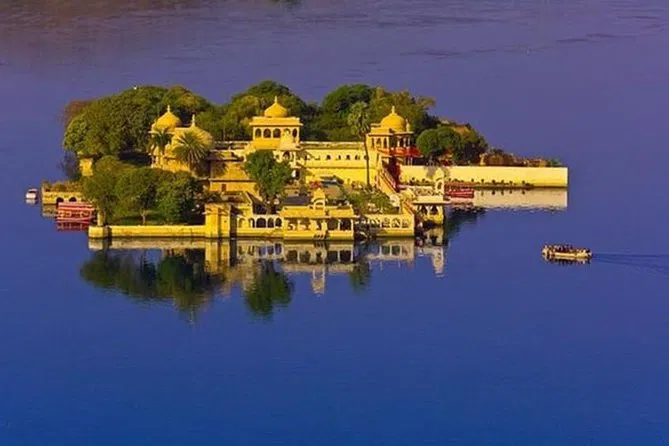
Jag Mandir is a palace built on an island in Lake Pichola. It is also called the "Lake Garden Palace". Its construction is credited to three Maharanas of the Sisodia Rajputs of Mewar kingdom. Jagmandir Island Palace is a historic 17th-century palace redeveloped as a complete destination: with its all-day cafe, stylish-dining restaurant, bar, and spa. (Boat Ride Tickets Exclude)
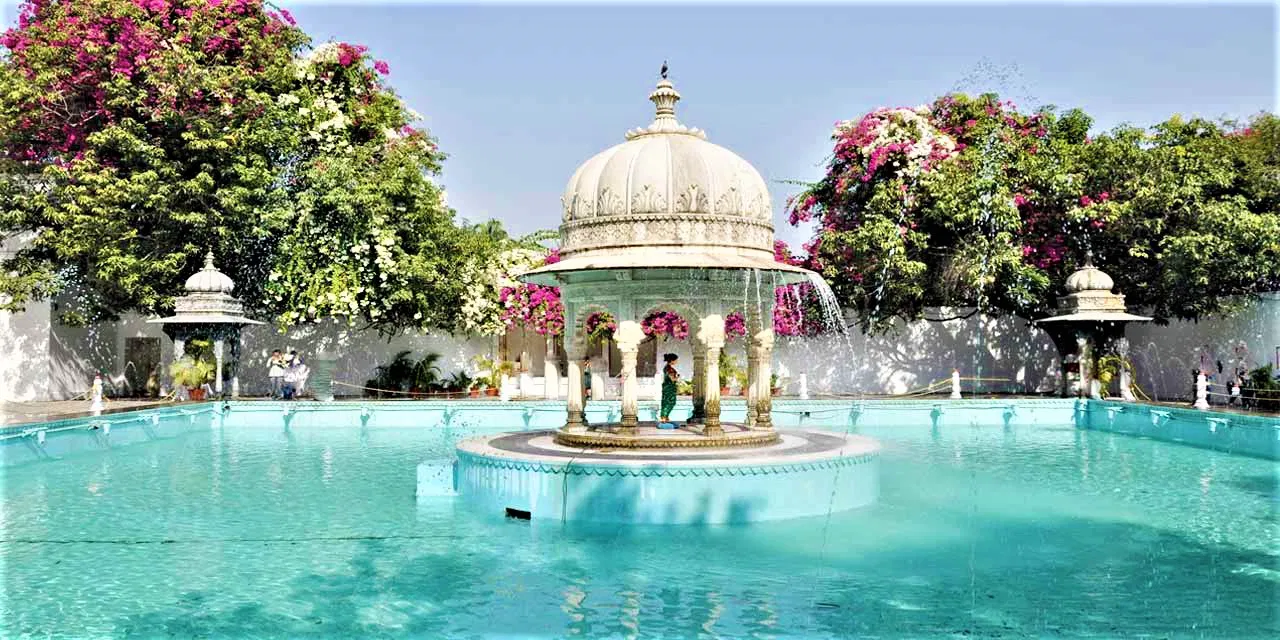
Saheliyon-ki-Bari is a major garden and a popular tourist space in Udaipur. It lies in the northern part of the city and has fountains and kiosks, a lotus pool and marble elephants. It was built by Rana Sangram Singh. It is also known as the Garden or the Courtyard of Maidens. (Tickets Exclude)
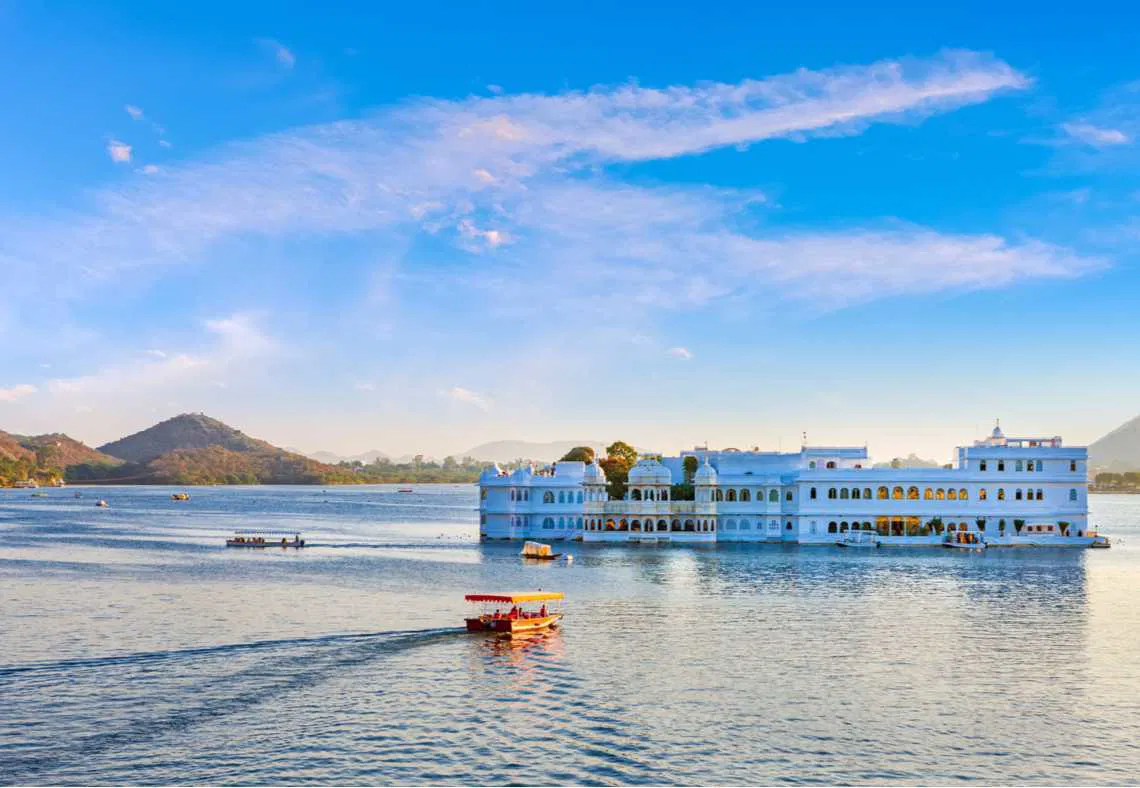
Pichola Lake is world-famous for its picturesque beauty and scenic surroundings. It is an artificial freshwater lake, created in 1362 AD, named after the nearby Picholi village. It is one of the several contiguous lakes developed over the last few centuries in and around the famous Udaipur city. It is the central nerve of the city. It is the setting for many tourist attractions and romantic sunsets.(Tickets Exclude)

We are consultants, we share more information after Confirmation. Once you confirm the Holiday Package with our Company. We Invest More Time & provide Customized Tour Options and exclusive stays; suggest more Sightseeing, Connectivity, and activities!

No Hidden charges